
Antipsychotics (Neuroleptic Medications)
A definitive clinical directory of antipsychotic agents (neuroleptics) used to manage psychosis, schizophrenia, and mood disorders. This guide compares “Typical” (first-generation) and “Atypical” (second-generation) antipsychotics, focusing on their mechanisms of action and metabolic profiles. Reviewed by Dr. Ahmad Baker for psychiatric and pharmacological precision.
Neurazine (chlorpromazine) is a vital medication used to treat psychosis and severe nausea by balancing brain neurotransmitters. This comprehensive guide offers patients and caregivers essential information on Neurazine’s uses, how it works, and its benefits. Learn about proper dosage, administration guidelines, and crucial lifestyle modifications to support treatment. Understand potential side effects like EPS and…
Neurazine is a medication containing Chlorpromazine Hydrochloride, acting as both a tranquilizer and antiemetic. This guide offers comprehensive information on its uses, including managing nervous tension, psychiatric disorders, and vomiting. Learn about proper dosage for adults and children, potential side effects, and crucial precautions. Discover contraindications, especially during pregnancy and when using other central nervous…
Neurazine, also known as Chlorpromazine Hydrochloride, is a versatile medication used to treat anxiety, agitation, nausea, and vomiting. This comprehensive guide covers its uses, dosage, side effects, and precautions. Learn how Neurazine works, its common applications, and important safety information to ensure effective and safe use. Whether you’re managing psychological disorders or dealing with persistent…
Neurazine, containing chlorpromazine hydrochloride, is a medication used as a tranquilizer and antiemetic. This guide provides a comprehensive overview of its uses in treating nervous tension, vomiting, and related conditions. Learn about the proper dosage, potential side effects such as extrapyramidal symptoms, and important precautions, especially during pregnancy. Discover contraindications, including hypersensitivity and interactions with…
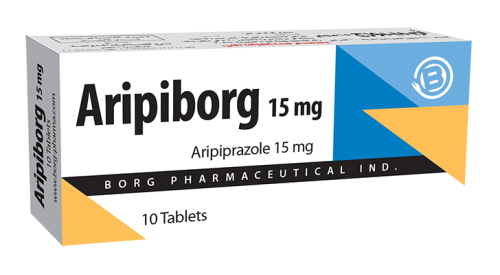
Aripiprazole (Aripiborg) treats schizophrenia & bipolar disorder. Learn about indications, dosage & storage. Rx only.
Chlorpromazine is a medication that has been used for decades to treat a range of mental health disorders. It belongs to a class of drugs known as antipsychotics, which work by altering the levels of certain chemicals in the brain to improve symptoms such as hallucinations, delusions, and disordered thinking. In this article, we will…
COMPOSITION Leponex 100: Clozapine 100 mg. Leponex 25: Clozapine 25 mg. PHARMACOLOGY Absorption: Rapid and nearly complete. Distribution: Rapid and extensive, crosses blood-brain barrier. Duration of action: 4 to 12 hours. Elimination: Renal 50%, Fecal 30%. Clozapine has little or no effect on serum prolactin. Extrapyramidal effects are reported to be rare or absent. INDICATIONS…
COMPOSITION Medazepine 100: Clozapine 100 mg. Medazepine 25: Clozapine 25 mg. PHARMACOLOGY Absorption: Rapid and nearly complete. Distribution: Rapid and extensive, crosses blood-brain barrier. Duration of action: 4 to 12 hours. Elimination: Renal 50%, Fecal 30%. Clozapine has little or no effect on serum prolactin. Extrapyramidal effects are reported to be rare or absent. INDICATIONS…
COMPOSITION Schizonex 100: Clozapine 100 mg. Schizonex 25: Clozapine 25 mg. PHARMACOLOGY Absorption: Rapid and nearly complete. Distribution: Rapid and extensive, crosses blood-brain barrier. Duration of action: 4 to 12 hours. Elimination: Renal 50%, Fecal 30%. Clozapine has little or no effect on serum prolactin. Extrapyramidal effects are reported to be rare or absent. INDICATIONS…
COMPOSITION Zaclo 100: Clozapine 100 mg. Zaclo 25: Clozapine 25 mg. PHARMACOLOGY Absorption: Rapid and nearly complete. Distribution: Rapid and extensive, crosses blood-brain barrier. Duration of action: 4 to 12 hours. Elimination: Renal 50%, Fecal 30%. Clozapine has little or no effect on serum prolactin. Extrapyramidal effects are reported to be rare or absent. INDICATIONS…