
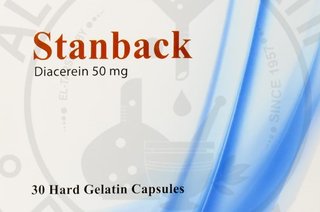
Stanback 50 mg
A comprehensive guide on the uses of Stanback (Diacerein) capsules for treating symptoms of osteoarthritis, with explanations of dosage and side effects.
Quick Facts
Definition and Uses
Stanback is a medication containing the active ingredient Diacerein, a slow-acting treatment used to alleviate the symptoms of osteoarthritis, especially in the knee and hip. The drug works by inhibiting the production of “interleukin-1,” a key protein that contributes to joint inflammation and cartilage destruction. By doing so, Stanback helps reduce pain and inflammation and may slow the progression of the disease.
- Treats symptoms associated with osteoarthritis such as pain and stiffness.
- Primarily used for osteoarthritis of the knee and hip joints.
- Classified as a Disease-Modifying Osteoarthritis Drug (DMOAD) as it may help preserve cartilage structure.
- It is not a fast-acting pain reliever and requires several weeks for its full effect to appear.
How to Use and Dosage
Follow your doctor’s instructions carefully when taking Stanback. It is important to take the capsules with food to improve absorption and reduce gastrointestinal disturbances. Since diarrhea is a common side effect at the beginning of treatment, the doctor may recommend a reduced initial dose to improve the body’s tolerance before increasing it to the full dose.
- Usual Dose: One 50 mg capsule twice daily (morning and evening) with meals.
- Starting Dose: The doctor may recommend starting treatment with one 50 mg capsule daily with the evening meal for 2 to 4 weeks.
- Swallow the capsule whole with a glass of water; do not open or chew it.
- Treatment should be continued for the duration prescribed by the doctor, as the drug’s effect appears gradually.
Side Effects
Diarrhea is the most common side effect of Stanback, usually occurring in the first few weeks of treatment. Most side effects are mild to moderate and improve over time. It is important to know the potential symptoms and inform your doctor if they are severe or persistent.
- Very Common: Diarrhea, abdominal pain.
- Common: Nausea, vomiting, and increased bowel movements.
- Other: Darkening or reddish-brown discoloration of urine, which is a harmless effect and not a cause for concern.
- Rare and Serious: Liver problems (hepatitis). The drug should be stopped immediately if symptoms such as jaundice (yellowing of the skin or eyes) or very dark urine with pale stools appear.
Warnings and Precautions
Before using Stanback, it is essential to inform your doctor of your complete medical history. There are some conditions where the drug should be avoided or used with extreme caution. You should not start this medication without a specialized medical consultation to evaluate your condition.
- Not for use in patients with a history of liver disease. The doctor will perform liver function tests before and during treatment.
- Not recommended for patients over 65 years of age, especially if they are more susceptible to diarrhea.
- If severe or persistent diarrhea occurs, stop taking the medication and consult a doctor to avoid dehydration.
- Should be used with caution and dose adjustment in patients with moderate to severe renal impairment.
Frequently Asked Questions
How long does it take for Stanback to start working?
Stanback is not an instant pain reliever. It is a slow-acting medication, and it may take 2 to 4 weeks before you start to feel a noticeable improvement in symptoms like pain and stiffness. The full effect of the drug may not be apparent until after several months of regular use. Therefore, it is important to be patient and continue taking the medication as prescribed by your doctor.
During the first few weeks of treatment, your doctor may prescribe a pain reliever or an anti-inflammatory drug (like ibuprofen) to help manage the pain until Stanback begins to work fully. Always follow the treatment plan set by your doctor.
What should I do if I get diarrhea while taking the medication?
Diarrhea is the most common side effect and is usually temporary. If the diarrhea is mild, continue taking the medication, ensuring you drink plenty of fluids to replace what your body loses and avoid dehydration. Taking the drug with food can also help reduce this issue. The diarrhea usually lessens or disappears after the first few weeks of treatment.
However, if the diarrhea is very severe or continues for a long time, you should stop taking Stanback and contact your doctor immediately. Severe diarrhea can lead to dehydration and electrolyte imbalance, and your doctor may decide to stop the medication or adjust your treatment plan.
Is the change in urine color dangerous?
While taking Stanback, you may notice that your urine has become darker or has a reddish-brown hue. This color change is due to the way the drug is metabolized in the body and is a known and completely harmless side effect. There is no need to worry or stop taking the medication because of this change.
However, it is important to distinguish between this benign change and signs of liver problems. If the urine is very dark and accompanied by other symptoms such as yellowing of the skin or eyes (jaundice), severe itching, or pale-colored stools, you should stop the drug and see a doctor immediately.
Can I take Stanback with pain relievers?
Yes, Stanback can be taken with common pain relievers like paracetamol or nonsteroidal anti-inflammatory drugs (NSAIDs) such as ibuprofen. In fact, doctors often prescribe these pain relievers at the beginning of treatment to help control pain, as Stanback takes time to exert its full effect.
Over time and with continued treatment with Stanback, many patients notice a reduced need for pain relievers. You should always consult your doctor or pharmacist before taking any new medications to ensure there are no drug interactions, and follow the recommended dosages for the pain relievers.
Is Stanback safe for long-term use?
Stanback is designed to be a long-term treatment for the chronic condition of osteoarthritis. In general, it is considered safe for long-term use under medical supervision. However, long-term use requires regular monitoring by a doctor, especially of liver function. Your doctor will order periodic blood tests to ensure the drug is not adversely affecting your liver.
The doctor must always balance the benefits of the drug in controlling osteoarthritis symptoms against the potential risks, especially the rare risk of liver damage. Adhering to regular follow-ups with your doctor is the best way to ensure the treatment remains safe and effective in the long run.
Why is the drug not recommended for people over 65?
The recommendation against using Diacerein (Stanback) as a first-line option for patients over 65 comes from European regulatory agencies. The main reason is that older adults are more susceptible to severe diarrhea and its complications, such as dehydration and electrolyte imbalance. They may also be more sensitive to other side effects and have less efficient kidney function.
However, this is not an absolute prohibition. A doctor may decide to prescribe the drug for an older patient if the benefits outweigh the risks, with very close monitoring of their condition. The final decision depends on the doctor’s comprehensive assessment of the patient’s health and ability to tolerate the medication.
What is the difference between Stanback and Glucosamine?
Both treatments are used for osteoarthritis, but they work through entirely different mechanisms. Stanback (Diacerein) is a pharmaceutical drug that acts as an anti-inflammatory by inhibiting interleukin-1, thereby reducing cartilage destruction. Glucosamine, on the other hand, is a dietary supplement believed to provide the “building blocks” for cartilage, potentially helping to repair and maintain its health.
Stanback has stronger scientific evidence supporting its efficacy as a drug, while the evidence for glucosamine’s effectiveness remains mixed and inconclusive. One should not be substituted for the other without consulting a doctor. Sometimes, they can be used together, but this decision must be made by the treating physician.
Does Stanback affect the kidneys?
Stanback does not typically cause direct damage to healthy kidneys. However, the drug and its metabolites are eliminated by the kidneys. Therefore, in patients with impaired kidney function (renal failure), the drug can accumulate in the body, increasing the risk of side effects. For this reason, it must be used with caution.
If you have moderate to severe renal impairment, your doctor will adjust the dose, often by reducing it by half (one 50 mg capsule daily). It is essential to inform your doctor of any kidney problems you have before starting treatment to ensure the correct and safe dose is determined for you.
Can I take Stanback on an empty stomach?
No, it is not recommended to take Stanback on an empty stomach. The medical advice is to always take the capsules with meals. Taking the drug with food helps improve its absorption and, more importantly, significantly reduces the incidence and severity of gastrointestinal side effects, especially diarrhea and abdominal pain.
For the best results and fewest side effects, make it a habit to take your Stanback capsule in the middle of or immediately after your breakfast and dinner. This ensures the drug mixes with food in your stomach, improving your tolerance and helping you adhere to the treatment.
What should I do in case of an overdose?
If you accidentally take an overdose of Stanback, the most likely symptom is severe, watery diarrhea. This diarrhea can cause dehydration and electrolyte imbalances if not managed properly. There is no specific antidote for a Diacerein overdose.
In the event of an overdose, you should contact your doctor or go to the nearest emergency department immediately. Treatment will focus on managing the symptoms, especially replacing lost fluids and electrolytes to prevent dehydration. It is important not to try to handle the situation yourself and to inform the medical team of the amount you took.
Disclaimer and Information Sources
- Purpose of Content: The information provided in this guide is for awareness and knowledge purposes only, and is not a substitute for professional medical advice. Do not use this or any other medication without consulting your doctor or pharmacist.
- Source of Information: This content has been prepared based on official, documented medical sources appropriate for the topic (such as official drug leaflets, health ministry guidelines, FDA directives, or specialized medical organizations).
- Publication Date | Last Updated: [October 2025]

Dr. Ahmad Baker, PharmD
Senior Pharmacist & Health Educator
With over 23 years of clinical experience in hospital and community pharmacy across Egypt and Saudi Arabia, Dr. Ahmad specializes in reproductive health and pharmaceutical safety. He is dedicated to providing evidence-based guidance to empower patients in the MENA region.
Medical Disclaimer: This content is for educational purposes and reflects the latest pharmaceutical protocols. It is not a substitute for personal medical advice. Always consult Dr. Ahmad Baker or your healthcare provider before starting any treatment.