

Safe Alternatives to Herbal Abortion Methods at Home: What You Must Know Before Trying Herbs for Abortion at Home
If you’ve been searching for information about using herbs for abortion at home, this guide is written specifically for you — with honesty, compassion, and the most up-to-date medical evidence available. Across cultures and throughout history, plants like pennyroyal, rue, and wormwood have been used in attempts to end pregnancies, but modern medicine is clear: no herbal remedy has been scientifically proven to safely or effectively terminate a pregnancy. The risks range from severe poisoning and organ failure to death — and they can occur without ending the pregnancy at all. This pillar article explains exactly which herbs are considered dangerous, why they don’t reliably work, and most importantly, what safe, WHO-endorsed alternatives actually exist for those seeking to self-manage an early pregnancy. You deserve accurate information — not guesswork — to make the safest decision possible for your body and your life.
📑 Complete Guide Contents
- 1. What Are Herbal Abortion Methods? History, Claims & Reality
- 2. Why Herbal Remedies Cannot Safely Terminate a Pregnancy
- 3. Commonly Used Herbs for Abortion: The Risks You Must Know
- 4. Safe, Evidence-Based Alternatives: Medication Abortion Explained
- 5. How Mifepristone and Misoprostol Work: Mechanism & Protocol
- 6. Who Can Use Medication Abortion? Eligibility & Contraindications
- 7. What to Expect During a Medical Abortion: Hour-by-Hour Timeline
- 8. Success Rates of Medication Abortion vs. Herbal Methods
- 9. Self-Managed Abortion: Safety, Legal Considerations & Accessing Pills
- 10. Side Effects, Safety Management & When to Seek Help
- 11. Emergency Warning Signs — When to Seek Immediate Medical Help
- 12. Frequently Asked Questions About Herbs for Abortion at Home
⚡ Key Facts About Herbal Abortion Methods & Safe Alternatives
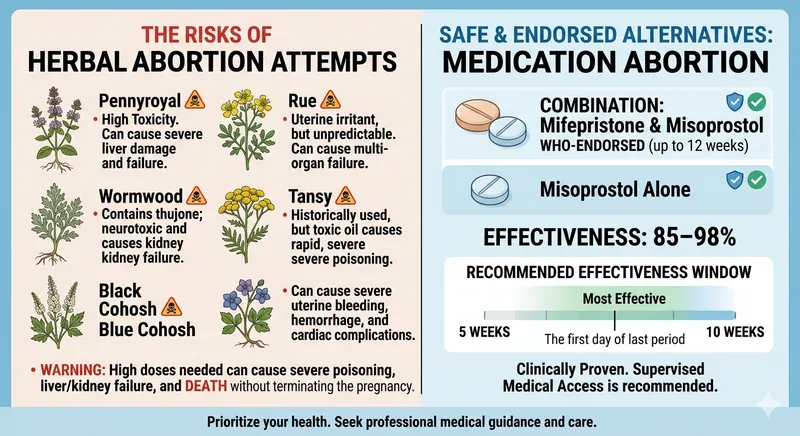
- Herbal abortion methods: No plant or herbal remedy has been clinically proven to safely and reliably terminate a pregnancy. All carry significant health risks.
- Dangerous herbs include: Pennyroyal, rue, wormwood, tansy, black cohosh, blue cohosh, and parsley — all toxic at doses that might affect the uterus.
- Primary risk: Severe poisoning, liver and kidney failure, hemorrhage, and death — often without terminating the pregnancy.
- Safe alternative: Medication abortion using misoprostol alone or combined with mifepristone is WHO-endorsed and 85–98% effective up to 12 weeks.
- Effectiveness window: Medication abortion is most effective between 5–10 weeks gestational age (from the first day of the last period).
- Warning signs after any method: Soaking 2+ pads/hour for 2+ consecutive hours, fever lasting over 24 hours, severe unrelieved pain, or foul-smelling discharge require emergency care.
- Privacy note: After medication abortion, symptoms mimic natural miscarriage and misoprostol does not appear in standard blood tests.
- Legal consideration: Laws around self-managed abortion vary significantly by country and region — always research your local context before acting.
🎯 The Direct Answer
Using herbs for abortion at home is not scientifically proven to work and carries life-threatening risks including poisoning, hemorrhage, and organ failure — safe, medically proven alternatives exist and are far more protective of your health.
The desire to end an unwanted pregnancy is deeply human, and the search for herbs and plants that might help is one of the oldest documented human behaviors. But here is what decades of medical research tells us plainly: no herbal remedy has passed rigorous clinical testing to demonstrate that it safely and reliably ends a pregnancy. Plants like pennyroyal and wormwood contain compounds that can be toxic to the liver, kidneys, and nervous system at doses that might stimulate uterine contractions. This means a person could become dangerously ill — even die — without the pregnancy ending. The risks are real and are documented across medical literature globally.
The genuinely good news is that safe, highly effective alternatives do exist. Medication abortion using mifepristone and misoprostol (or misoprostol alone where mifepristone is unavailable) is endorsed by the World Health Organization, Planned Parenthood, FIGO, and every major reproductive health body. These medications are not herbs or home remedies — they are carefully studied pharmaceutical agents with known mechanisms, predictable effects, and clearly defined safety protocols. For many women around the world, accessing this information is a matter of life and death. This guide gives you that information in full.
1. What Are Herbal Abortion Methods? History, Claims & Medical Reality
The use of plants and herbs to control fertility and end unwanted pregnancies has been documented across virtually every human civilization. Ancient Egyptian medical papyri describe plant-based contraceptive and abortifacient recipes. Greek and Roman physicians wrote about herbs believed to bring on menstruation — a concept historically used as a euphemism for early abortion. Indigenous healers across the Americas, Africa, and Asia possessed detailed botanical knowledge that included plants used to regulate the menstrual cycle or terminate early pregnancies.
This history is real, and it deserves to be acknowledged without judgment. For most of human history, pharmaceutical abortion was not an option, and women with unwanted pregnancies had few choices beyond dangerous surgical procedures or these plant-based interventions. Understanding this context helps explain why the search for herbal abortion remedies continues today — particularly among people who lack access to formal healthcare, face legal restrictions on abortion, or fear stigma and judgment from medical providers.
However, the critical question — one that this article addresses directly — is not whether these herbs have been used throughout history, but whether they work safely and effectively by today’s medical standards. And the honest answer is: they do not meet the bar of safe or reliable. Here is why:
The Gap Between Traditional Use and Clinical Evidence
Traditional use of a plant does not mean scientific proof of safety or efficacy. Many traditional remedies have been studied and found effective — and some have led to modern pharmaceuticals (aspirin from willow bark, for example). But many others have been tested and found either ineffective, dangerous, or both. The herbs most commonly associated with attempts to end pregnancies fall into the latter categories. When researchers have examined compounds like pulegone (in pennyroyal), thujone (in wormwood), or the alkaloids in blue cohosh, they have consistently found that the doses required to potentially affect uterine contractions are doses that also cause serious systemic toxicity.
There is also the problem of incomplete abortion. Even if an herb causes some uterine contractions, that does not guarantee that the pregnancy is fully expelled. An incomplete abortion — where pregnancy tissue remains in the uterus — is one of the most dangerous complications in reproductive medicine. It can cause life-threatening infection and hemorrhage. This is a risk that applies specifically to unproven herbal methods, which lack the dosing precision and clinical follow-up that make pharmaceutical abortion safe.

2. Why Herbal Remedies Cannot Safely Terminate a Pregnancy
To understand why herbal abortion methods are dangerous, it helps to understand what a medication abortion actually does — and how very different that is from what an herb can do. Pharmaceutical abortion agents like misoprostol work by binding specifically to prostaglandin receptors in the uterine muscle (myometrium), causing controlled, progressive contractions that expel the pregnancy. This mechanism is well understood, the dosage is precisely calibrated, and clinicians know exactly what to expect in terms of timing, bleeding, and outcomes.
Herbs that have been historically associated with abortion attempts work (to the extent they have any effect at all) through a completely different and far less controlled pathway. Many contain compounds that are broadly toxic — meaning they affect multiple organ systems simultaneously. The uterine effect, if any, is a side effect of systemic toxicity, not a targeted mechanism. This is the fundamental reason why “herbal abortion remedies” are inherently dangerous: you cannot achieve a safe therapeutic effect without also exposing yourself to dangerous toxicity.
The Dose-Toxicity Problem
In pharmacology, the difference between a medicine and a poison is almost always the dose. For most plants with purported abortifacient properties, the dose required to have any effect on uterine activity is at or above the dose that causes poisoning. There is essentially no safe therapeutic window. Studies examining pennyroyal oil, for example, have found that doses causing uterine stimulation are also doses that cause severe liver damage and, in documented cases, death. The same applies to tansy, wormwood, and rue.
Inconsistent Concentration in Plant Products
Even if a small therapeutic window existed for some of these plants, there would be another major problem: you cannot know the concentration of active compounds in a plant, a tea, or a herbal preparation. Unlike pharmaceutical tablets, which are manufactured to contain a precise number of milligrams of active ingredient, a plant’s chemical composition varies dramatically based on the species, where it was grown, how it was harvested, how it was processed, and how old it is. This means that even if someone knew an “effective” dose of a particular compound in theory, they would have no way to measure how much of that compound they were actually consuming.
Risk of Incomplete Abortion
Perhaps the most immediately dangerous outcome of attempting herbal abortion is incomplete expulsion of pregnancy tissue. If a uterotonic plant causes some contractions but the pregnancy is only partially expelled, the result is retained products of conception — a situation that requires urgent medical intervention. Retained tissue rapidly becomes a source of serious, potentially fatal infection. Without access to an ultrasound and appropriate medical follow-up, a person attempting herbal abortion at home may not realize this has happened until they are critically ill.

3. Commonly Used Herbs for Abortion: The Specific Risks You Must Know
Below is a medically reviewed breakdown of the herbs most commonly searched as home abortion methods, along with the documented risks associated with each. This information is provided not to encourage their use — quite the opposite. Understanding the specific dangers of each herb is essential for anyone who may have already used one of these substances, or who is considering doing so.
| Herb | Active Compound(s) | Claimed Effect | Documented Risks |
|---|---|---|---|
| Pennyroyal (Mentha pulegium) | Pulegone, menthofuran | Uterine stimulation, induce menstruation | Severe liver toxicity, kidney failure, hemorrhage, death — documented fatalities on record |
| Rue (Ruta graveolens) | Pilocarpine, rutin, alkaloids | Stimulate uterine contractions | Severe GI irritation, liver and kidney damage, photosensitivity burns, central nervous system toxicity, cardiovascular collapse |
| Wormwood (Artemisia absinthium) | Thujone, absinthin | Emmenagogue, stimulate bleeding | Neurotoxicity, seizures, kidney damage, hallucinations, abdominal pain, liver failure with high doses |
| Tansy (Tanacetum vulgare) | Thujone, camphor | Induce miscarriage | Severe poisoning even in small amounts, seizures, liver damage, death — among the most toxic herbs documented |
| Blue Cohosh (Caulophyllum thalictroides) | Caulosaponin, caulophylline | Uterine stimulant | Cardiovascular toxicity in both mother and fetus, neonatal heart failure in documented cases, severe maternal poisoning |
| Black Cohosh (Actaea racemosa) | Glycosides, triterpenes | Hormone modulation, uterine stimulation | Liver toxicity (including acute liver failure), hormone disruption; weak and unreliable abortifacient effect |
| Parsley (Petroselinum crispum) — high dose | Apiol (in oil form) | Stimulate uterine contractions | Parsley oil is highly toxic: kidney failure, liver damage, hemorrhage; normal cooking amounts are safe — only dangerous in medicinal/oil doses |
| Mugwort (Artemisia vulgaris) | Thujone, volatile oils | Stimulate menstruation | Allergic reactions, contact dermatitis, toxic in large amounts; no clinical evidence of abortion efficacy |
What About Herbal Teas and “Natural” Supplements?
Many herbal teas marketed online or sold in health food stores include warnings to avoid them during pregnancy — not because they are effective for ending pregnancies, but because they contain compounds that are generally unsafe during pregnancy in large amounts. This is not the same thing as being a reliable or safe abortifacient. Drinking excessive amounts of these teas is far more likely to cause you harm than to end your pregnancy.
Products sold online with names suggesting they are “natural abortion pills” or “herbal pregnancy terminators” are not regulated pharmaceutical agents. They have not been tested for safety or efficacy. Some may contain unlabeled pharmaceutical compounds (including misoprostol itself, at unpredictable doses and purity levels). Others may be entirely inert but dangerously expensive. Buying such products puts both your health and your finances at risk.
💬 Do You Need Private Medical Guidance?
Connect directly with Dr. Ahmad Baker for safe, confidential, and encrypted reproductive health support. Your privacy is fully protected.
4. Safe, Evidence-Based Alternatives: Medication Abortion Explained
The most important message in this entire article is this: a safe, highly effective, medically proven alternative to herbal abortion methods exists. It is called medication abortion or medical abortion, and it uses pharmaceutical agents — misoprostol alone, or misoprostol combined with mifepristone — that have been rigorously tested across millions of cases worldwide, endorsed by the World Health Organization, and proven to be both safe and effective up to 12 weeks of pregnancy.
Medication abortion is not a new or experimental treatment. Mifepristone was approved in France in 1988 and in the United States in 2000. Misoprostol has been used for medical abortion since the late 1980s and is now on the WHO List of Essential Medicines. These drugs have an extraordinarily well-documented safety profile — they are far safer than surgical abortion, safer than carrying a pregnancy to term, and incomparably safer than any herbal abortion attempt.
The Two Main Protocols
1. Combination regimen (Mifepristone + Misoprostol): This is the gold standard recommended by the WHO and all major reproductive health organizations when both medications are available. Mifepristone (200mg) is taken first, blocking the hormone progesterone that the pregnancy needs to continue. Then, 24–48 hours later, misoprostol (800mcg) is administered under the tongue, in the cheeks (buccal), or vaginally to cause uterine contractions and expel the pregnancy. This combination achieves a 95–98% success rate up to 12 weeks gestation. You can read more about this approach in our detailed guide on how mifepristone and misoprostol work together for safe medical abortion.
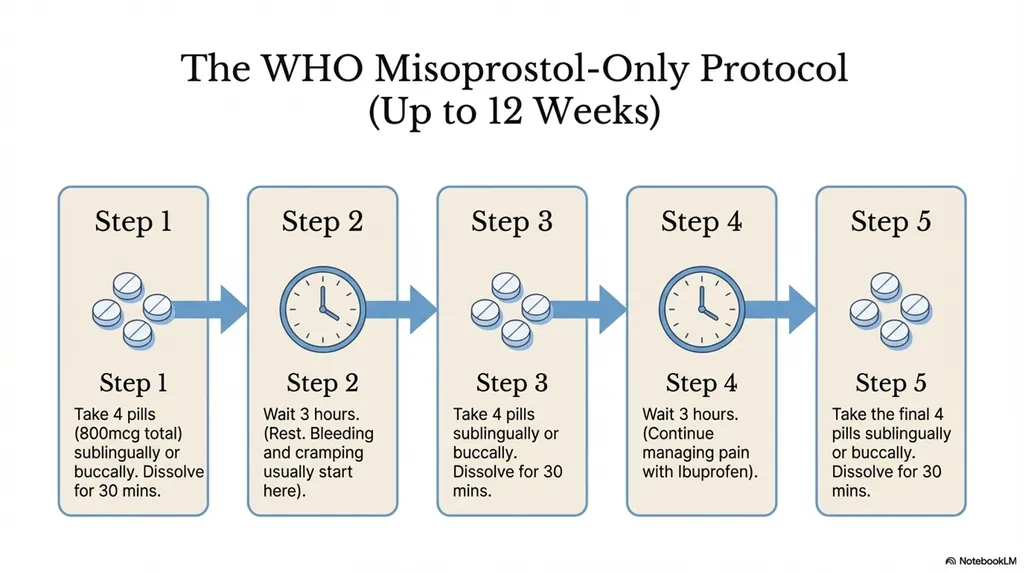
2. Misoprostol-only protocol: In many countries, including across the MENA region, mifepristone is not available. In these situations, misoprostol alone is the WHO-endorsed alternative. Multiple doses of misoprostol (800mcg administered sublingually or vaginally, repeated every 3 hours for a total of 3 doses) achieve an 85–90% success rate up to 9–10 weeks gestation. Our comprehensive guide on the step-by-step misoprostol protocol for safe abortion provides full details on this approach.

Why Medication Abortion Is Safer Than Any Herbal Method
- Proven mechanism: The drugs work through specific, well-understood biological pathways — not through general toxicity.
- Predictable dosing: Each tablet contains a precisely measured amount of active ingredient. There is no guesswork about how much you are taking.
- Documented safety profile: Millions of cases across multiple decades and dozens of countries confirm the safety of these medications when used correctly.
- Follow-up protocols: Medical abortion comes with clear guidance about what to expect, what is normal, and what requires emergency care — information that is entirely absent from herbal abortion attempts.
- No long-term fertility effects: Research confirms that medication abortion using misoprostol does not affect future fertility. Learn more in our article about Misotac (misoprostol) and future fertility after medical abortion.
5. How Mifepristone and Misoprostol Work: Mechanism & Protocol
Understanding how medication abortion works — at a biological level — helps explain why it is so much safer and more reliable than any herbal alternative. This section gives you a clear, jargon-free explanation of the science.
How Mifepristone Works
Mifepristone is a synthetic steroid that binds to progesterone receptors throughout the body. Progesterone is the hormone that maintains a pregnancy — it keeps the uterine lining thick and supportive, suppresses uterine contractions, and prevents immune rejection of the embryo. By blocking progesterone receptors, mifepristone effectively withdraws this hormonal support, causing the pregnancy to detach from the uterine wall. It also softens and dilates the cervix, making the subsequent expulsion easier. Mifepristone does not directly cause uterine contractions — that is the role of misoprostol.
How Misoprostol Works
Misoprostol is a synthetic prostaglandin E1 analog. Prostaglandins are naturally occurring compounds that regulate many bodily functions, including uterine contractions. By binding to prostaglandin receptors in the uterine muscle, misoprostol triggers strong, rhythmic contractions — similar to labor contractions — that expel the contents of the uterus. This is a targeted, specific mechanism that is completely different from the nonspecific toxicity of herbs. The contractions are powerful and effective, and they occur within predictable timeframes (typically 1–4 hours after administration). For more detail on how misoprostol works specifically, see our complete guide to Cytotec (misoprostol): from gastric ulcer treatment to abortion.
Administration Routes
Misoprostol can be administered in several ways, each with slightly different absorption profiles and side effect patterns. The main routes used in medication abortion are:
- Sublingual (under the tongue): The tablets are placed under the tongue and allowed to dissolve for 30 minutes, then the residue is swallowed. This route has excellent bioavailability and is effective regardless of whether the person has eaten. It is associated with more pronounced side effects like chills and fever compared to vaginal administration.
- Buccal (in the cheeks): Tablets are placed between the cheek and gum on each side and allowed to dissolve for 30 minutes. Similar efficacy to sublingual, slightly fewer systemic side effects.
- Vaginal: Tablets are inserted deep into the vagina and absorbed through the vaginal mucosa. This route has good efficacy and fewer systemic side effects but requires that the tablets remain in place (they should not be used vaginally if there is significant bleeding before the dose).
For a detailed comparison of these routes, see our article on vaginal or sublingual misoprostol: which method is better?
6. Who Can Use Medication Abortion? Eligibility & Important Contraindications
Medication abortion is safe and appropriate for the vast majority of people with an unwanted early pregnancy, but there are specific medical conditions that may affect whether it is the right choice. This section helps you understand the general eligibility criteria and the situations where medical supervision is especially important.
Generally Good Candidates for Medication Abortion
- Pregnancy confirmed at or under 12 weeks from the first day of the last menstrual period (with 85–90%+ success rates declining after 9–10 weeks for misoprostol-only protocols)
- Good general health without the contraindications listed below
- Ability to access emergency medical care if needed
- No IUD currently in place (an IUD must be removed before medication abortion)
- Certain knowledge of the duration of pregnancy (because of ectopic pregnancy risk — see below)
Situations Requiring Extra Caution or Medical Supervision
- Suspected ectopic pregnancy: This is the most critical contraindication. An ectopic pregnancy (where the embryo implants outside the uterus, usually in a fallopian tube) cannot be treated with medication abortion — it requires urgent surgical intervention. Warning signs of ectopic pregnancy include one-sided pelvic pain, shoulder tip pain (from internal bleeding irritating the diaphragm), and fainting. Any of these symptoms require emergency care immediately. See our guide on what to do when bleeding does not occur after abortion pills for more on ectopic pregnancy warning signs.
- Inherited bleeding disorders: Conditions like hemophilia or von Willebrand disease increase the risk of excessive bleeding.
- Chronic adrenal insufficiency or long-term corticosteroid use (relevant for mifepristone use specifically)
- Severe anemia: The bleeding associated with medication abortion can worsen existing anemia significantly.
- IUD in place: Must be removed before taking abortion pills.
- Allergy to misoprostol or prostaglandins
- Very remote location without any access to emergency care
The safest gestational window for the abortion pill is between 5 and 10 weeks — this timeframe offers the best balance of effectiveness and safety, with the lowest risk of incomplete abortion.
7. What to Expect During a Medical Abortion: Hour-by-Hour Timeline
One of the most reassuring things about medication abortion compared to herbal abortion attempts is that the process is predictable. You know what to expect, when to expect it, and — crucially — what counts as normal versus what requires emergency attention. The following timeline is based on WHO 2026 protocols for misoprostol-only administration (sublingual route), which is the most commonly used approach in self-managed settings.
Before Taking Misoprostol
- Fast for 2 hours before taking the medication to allow better absorption
- Take an anti-nausea medication (such as metoclopramide or domperidone) 30–60 minutes before misoprostol to reduce nausea and vomiting
- Prepare a heating pad, sanitary pads (heavy flow), and access to pain relief (ibuprofen 400–800mg is recommended — see our guide on safely managing pain during medical abortion with ibuprofen)
- Have a trusted person available or reachable by phone
- Know the location and contact details of your nearest emergency room
Hours 0–2: Administration and Early Effects
Place 4 misoprostol tablets (800mcg total) under your tongue or in your cheeks. Allow them to dissolve for 30 minutes, then swallow any remaining residue with water. Within the first 30–90 minutes, you may begin to experience chills, mild fever (low-grade), and nausea. These are expected and indicate the medication is being absorbed. Cramping typically begins within 1–2 hours of the first dose.
Hours 2–6: Peak Activity
This is the most intense phase. Cramping becomes strong — often described as severe menstrual cramps or mild labor pains. Heavy bleeding begins, typically including clots. This is normal and expected. The passage of pregnancy tissue (which may appear as a grayish or pinkish clump, larger than typical clots) usually occurs during this window. Pain relief with ibuprofen is appropriate during this phase. For detailed guidance on managing cramping, see our complete guide to handling intense cramping in early medical abortion.
If you are using the misoprostol-only protocol, the second dose (4 more tablets, 800mcg) is administered 3 hours after the first dose. The third dose follows 3 hours after the second. It is crucial to complete all three doses — do not stop after the first dose even if bleeding has begun. Our article explains why you must complete all doses even after bleeding starts.
Hours 6–24: Tapering and Recovery
After the peak activity phase, bleeding and cramping gradually decrease. Bleeding typically transitions from heavy to moderate, and then to lighter spotting. Mild cramping may continue. Fever and chills, if present, should resolve within 24 hours — fever persisting beyond 24 hours is a warning sign requiring medical attention.
Days 1–14: Recovery and Follow-Up
Light spotting continues for 1–3 weeks after medication abortion. This is normal. Pregnancy symptoms (nausea, breast tenderness) should begin to resolve within a few days to a week. A follow-up ultrasound at 72 hours to 2 weeks is important to confirm complete abortion. For full details on what normal versus abnormal bleeding looks like, see our guide on how much bleeding is normal after misoprostol in medical abortion.

8. Success Rates of Medication Abortion vs. Herbal Methods
The contrast in documented effectiveness between pharmaceutical medication abortion and herbal abortion methods is stark — and it is one of the most important reasons why the medical and public health community universally recommends medication abortion over any herbal approach.
Medication Abortion Success Rates
| Protocol | Gestational Age | Success Rate | Source |
|---|---|---|---|
| Mifepristone + Misoprostol | Up to 9 weeks | 95–98% | WHO, Gynuity Health Projects |
| Mifepristone + Misoprostol | 9–12 weeks | 93–96% | FIGO 2022 guidelines |
| Misoprostol alone (3 doses) | Up to 9 weeks | 85–90% | WHO 2026, multiple RCTs |
| Misoprostol alone (3 doses) | 9–12 weeks | 75–85% | WHO, clinical literature |
Herbal Abortion “Success Rates”
There are no reliable clinical trials demonstrating the effectiveness of any herbal abortion method. The absence of evidence is itself significant — it means that despite historical use and ongoing contemporary interest, no researcher has been able to design a study where herbal abortion reliably works enough to be measurable and reproducible. Anecdotal reports are not scientific evidence: a person may use pennyroyal tea and then miscarry, but without a control group, we cannot know whether the miscarriage would have occurred naturally (spontaneous miscarriage affects approximately 10–20% of confirmed pregnancies) or was caused by the herb.
What IS documented about herbal abortion attempts is the harm: case reports of pennyroyal poisoning deaths, case series of rue toxicity, documented cases of hepatic failure from black cohosh. These harms are real, documented in peer-reviewed medical literature, and occurred in people whose pregnancies continued despite their herbal abortion attempt.
For those in regions where access to medication abortion is limited, using misoprostol alone in MENA countries remains far safer and more effective than any herbal approach, with an 85–90% success rate.
9. Self-Managed Abortion: Safety, Legal Considerations & Accessing Pills
Self-managed abortion refers to the practice of obtaining and using abortion pills outside the formal healthcare system — without direct supervision from a licensed provider. This is a reality for a significant number of people globally, particularly those facing restrictive abortion laws, cost barriers, geographic isolation, stigma from healthcare providers, or concerns about confidentiality.
Research published in multiple peer-reviewed journals has found that self-managed abortion with abortion pills (mifepristone and/or misoprostol) can be safe and effective when the person has accurate information, is within the appropriate gestational window, does not have major contraindications, and can access emergency care if needed. This is consistent with findings from Planned Parenthood, the World Health Organization, and the Guttmacher Institute.
Conditions That Support Safe Self-Managed Abortion
- You are confident about the first day of your last menstrual period and it has been fewer than 10–12 weeks
- You have reliable, accurate information about the correct protocol and dosing
- You do not have any of the medical contraindications listed in Section 6
- You can reach emergency medical care within a reasonable time if needed
- You are using pharmaceutical-grade misoprostol from a reliable source (not counterfeit pills or herbal products sold as “abortion pills”)
Legal Considerations
Abortion laws vary enormously around the world and even within countries (as in the United States, where laws differ by state). In some jurisdictions, self-managing an abortion using pills is not illegal even if other abortion access is restricted. In other places, there may be legal risks. It is important to understand the laws in your specific location before taking action.
Accessing Authentic Medication Abortion Pills
One of the significant risks in self-managed abortion is obtaining counterfeit or adulterated pills. In some markets, products sold as Cytotec or misoprostol may contain little or no active ingredient, may contain a different drug entirely, or may contain the right drug at an unpredictable dose. This is why obtaining pills from verified, reputable sources is critically important. Organizations like Women on Web provide telemedicine consultation and access to verified medications for people in countries where abortion is restricted. Our guide on how to buy genuine Cytotec online and avoid counterfeits provides detailed guidance on this issue.

10. Side Effects, Safety Management & Practical Preparation
Every effective medical treatment has side effects, and medication abortion is no exception. Understanding what to expect — and how to manage it safely — is a key part of what makes medication abortion so much safer than herbal alternatives, where side effects are unpredictable, potentially severe, and unrelated to the therapeutic goal.
Common and Expected Side Effects of Misoprostol
| Side Effect | When It Occurs | Duration | Management |
|---|---|---|---|
| Cramping / uterine pain | 1–6 hours after first dose | Several hours, then tapering | Ibuprofen 400–800mg; heating pad; rest |
| Heavy bleeding with clots | 2–8 hours after first dose | Heavy for 4–8 hours; lighter for 1–3 weeks | Heavy-flow sanitary pads; monitor two-pad rule |
| Nausea and vomiting | 30 minutes to 2 hours after dose | Several hours | Pre-treat with anti-emetic; small sips of water; ginger |
| Chills / shivering | 30–90 minutes after sublingual/buccal dose | 1–2 hours | Warm blanket; this is expected and not dangerous |
| Low-grade fever (up to 38.5°C / 101.3°F) | During first 24 hours | Usually resolves within 24 hours | Paracetamol (acetaminophen) for comfort |
| Diarrhea | First several hours | Usually resolves within 24 hours | Stay hydrated; bland diet; anti-diarrheal if needed |
| Headache | During first 24 hours | Usually resolves within 24 hours | Paracetamol; rest; hydration |
What to Do If Vomiting Occurs During Misoprostol Administration
If you vomit within 30 minutes of placing misoprostol tablets sublingually or buccally, the medication may not have been fully absorbed and the dose should be repeated. If vomiting occurs more than 30 minutes after administration, absorption is likely complete and the dose does not need to be repeated. This is known as the 30-minute rule. Our guide on managing vomiting during early medical abortion explains this in detail and provides practical tips for preventing nausea before it becomes a problem.
Practical Preparation Checklist
Before using misoprostol for medication abortion, prepare the following:
- ✓ Confirmed gestational age (ideally via ultrasound — ectopic pregnancy must be ruled out)
- ✓ Pharmaceutical-grade misoprostol (verify authenticity)
- ✓ Anti-nausea medication (metoclopramide or domperidone)
- ✓ Ibuprofen 400–800mg for pain management (NOT aspirin)
- ✓ Heavy-flow sanitary pads (not tampons)
- ✓ Heating pad or hot water bottle
- ✓ Trusted support person available or reachable
- ✓ Location and contact of nearest emergency room
- ✓ Access to follow-up ultrasound within 2 weeks

🚨 Emergency Warning Signs — Seek Immediate Medical Help If You Experience:
- Soaking 2 or more heavy-flow sanitary pads per hour for 2 or more consecutive hours — this indicates hemorrhage and requires emergency care immediately. This applies whether you used medication abortion or attempted any herbal method.
- Fever above 38.5°C (101.3°F) lasting more than 24 hours after taking medication — this may indicate uterine infection (endometritis), which can become life-threatening if untreated.
- Severe abdominal pain that is not relieved by ibuprofen — especially if it is one-sided, as this may indicate ectopic pregnancy or another serious complication.
- Pain in one shoulder (shoulder tip pain) — this is a classic sign of internal bleeding from a ruptured ectopic pregnancy and requires emergency surgery.
- Foul-smelling vaginal discharge — this suggests uterine infection and requires prompt antibiotic treatment.
- Dizziness, fainting, or signs of shock (rapid weak pulse, pallor, confusion, cold clammy skin) — these indicate severe blood loss or other life-threatening complications.
- No bleeding within 24 hours of misoprostol administration — this may indicate medication failure or, more urgently, ectopic pregnancy. Do not take additional doses without medical guidance; seek evaluation. Learn more in our guide on no bleeding after abortion pills.
⚠️ These warning signs apply whether you used medication abortion or attempted herbal abortion methods. Emergency doctors treat the medical emergency — they do not need to know the cause to help you. Please do not delay seeking care out of fear or embarrassment. Your life is what matters.
💬 Worried About Your Symptoms? Get Confidential Medical Support
Dr. Ahmad Baker and the Pharmacily medical team provide safe, encrypted, non-judgmental guidance 24/7. Your privacy is completely protected.
❓ Frequently Asked Questions About Herbs for Abortion at Home — Answered by Dr. Ahmad Baker
1. Can pennyroyal tea really cause an abortion at home?
Pennyroyal (Mentha pulegium) is one of the most commonly searched herbs in connection with home abortion attempts, and it is also one of the most dangerous. The active compound in pennyroyal, pulegone, is metabolized in the liver into a highly toxic substance called menthofuran, which can cause severe liver damage even in relatively small amounts. Medical literature documents multiple deaths from pennyroyal oil consumption, and serious liver toxicity from pennyroyal tea.
As for effectiveness: pennyroyal does not reliably end a pregnancy. Case reports describe people who consumed dangerous or even fatal doses of pennyroyal and whose pregnancies continued. Even if it causes some uterine contractions, it does not reliably expel all pregnancy tissue, which can lead to a life-threatening incomplete abortion and infection. There is absolutely no safe dose of pennyroyal that reliably ends a pregnancy without also poisoning you. Please do not use it. Safe, proven pharmaceutical alternatives exist — medication abortion with misoprostol is 85–95% effective and does not poison your liver.
2. What herbs are said to cause miscarriage, and are any of them safe?
The herbs most commonly associated with miscarriage attempts include pennyroyal, rue, wormwood, tansy, black cohosh, blue cohosh, mugwort, and high-dose parsley (specifically parsley seed oil). None of them are safe for this purpose. Each one carries documented risks that range from severe poisoning to organ failure and death — and none of them has been proven to reliably end a pregnancy at a dose that doesn’t also cause serious harm.
It’s worth understanding why doctors warn pregnant people to avoid these herbs: it’s not because they reliably cause abortion, but because they can cause miscarriage in unpredictable ways and at unpredictable doses, often alongside serious toxicity to the mother. “Can sometimes cause harm to a pregnancy” is not the same as “safely and reliably terminates a pregnancy.” The doses that might affect the uterus are the same doses that damage your liver, kidneys, and nervous system. There is no safe therapeutic window. The only evidence-based, safe options for ending a pregnancy are pharmaceutical medications: mifepristone, misoprostol, or both.
3. I already tried using herbs to end my pregnancy. What should I do now?
First: if you are experiencing any serious symptoms — severe pain, heavy bleeding, fever, shoulder pain, fainting, or signs of poisoning such as nausea, confusion, or rapid heartbeat — please go to an emergency room or call emergency services immediately. Tell the medical team what you took so they can provide the right treatment. Emergency doctors are there to treat you, not to judge you.
If you are not experiencing emergency symptoms: you should assume that the herbal attempt likely did not work reliably. Herbal methods frequently fail to end pregnancies, or may cause partial (incomplete) expulsion of pregnancy tissue, which is a dangerous condition. You need an ultrasound to determine your current status — whether the pregnancy is continuing, whether there was any partial expulsion, and whether you have any complications. Once you know your gestational age and status, you can make an informed decision about next steps, which may include medication abortion using misoprostol. Please reach out to our team at Pharmacily for confidential, non-judgmental guidance on your next steps.
4. Is medication abortion (abortion pills) safe to use at home?
Yes — with appropriate preparation and information, medication abortion using misoprostol (with or without mifepristone) is considered safe for home use by the World Health Organization, Planned Parenthood, FIGO, and virtually every major reproductive health authority. Research consistently shows that self-managed medication abortion has outcomes comparable to clinically supervised abortion when the person has accurate information and access to emergency care if needed.
The key conditions for safe home use are: being within the recommended gestational window (up to 10–12 weeks, ideally under 9 weeks for misoprostol-only), having no major contraindications (especially ruling out ectopic pregnancy), using pharmaceutical-grade authenticated medication, having reliable pain relief and anti-nausea medication on hand, and knowing the warning signs that require emergency attention. Our comprehensive guide on safe home abortion with Cytotec/misoprostol covers all of these in detail. Medication abortion at home is not guesswork — it is a well-documented, protocol-driven medical process.
5. How do I know if my medication abortion was successful?
The most reliable way to confirm a successful medication abortion is an ultrasound examination, ideally performed 2–4 weeks after taking the medication. A successful abortion is confirmed when the ultrasound shows no gestational sac present and the endometrial lining has returned to a normal thickness (typically under 15–20mm, though different radiologists may use slightly different thresholds). Absence of a gestational sac is the most definitive indicator.
Clinical signs that suggest a successful abortion include: significant reduction or cessation of pregnancy symptoms (such as nausea and breast tenderness) within a few days to a week, the passage of recognizable pregnancy tissue (a grayish or pinkish clump larger than a blood clot) during the bleeding phase, and a return of normal (non-pregnant) flow within 4–6 weeks. Important: a home pregnancy test will remain positive for several weeks after a successful abortion because the hCG hormone that tests detect takes time to clear from the body. A positive pregnancy test alone does NOT mean the abortion failed. Read our full guide on signs of a successful medical abortion at home for more details.
6. What is the difference between medication abortion and a surgical abortion?
Medication abortion uses pharmaceutical drugs (mifepristone and/or misoprostol) to end a pregnancy without surgical instruments. It mimics a natural miscarriage process — there is cramping, bleeding, and passage of pregnancy tissue, which occurs at home over the course of hours to days. Medication abortion is non-invasive, does not require anesthesia, and can often be managed privately at home. It is most effective in the first 12 weeks of pregnancy.
Surgical abortion uses physical instruments to remove pregnancy tissue from the uterus. The two main types are vacuum aspiration (MVA/EVA — using gentle suction) and dilation and curettage (D&C — using a curette to remove tissue). Surgical abortion is performed in a clinical setting, is typically very quick (5–15 minutes), and has an extremely high success rate (close to 99%). It is appropriate for pregnancies beyond 12 weeks and for cases where medication abortion fails or is contraindicated. Both methods are very safe when performed correctly. The “best” choice depends on gestational age, personal preference, medical history, and access to care. Neither option involves the risks associated with herbal abortion methods.
7. Will my doctor be able to tell that I took abortion pills?
No — the symptoms of medication abortion are clinically identical to those of a spontaneous (natural) miscarriage, and misoprostol does not appear in standard blood or urine tests. If you need to seek emergency care after taking abortion pills, your doctor will assess and treat your symptoms (bleeding, cramping, fever, etc.) using the same approach they would use for a miscarriage patient. You are not obligated to disclose the cause, and emergency staff are trained to provide care without judgment regardless of the cause of pregnancy loss.
This is important for both your medical safety and your peace of mind. The doctor’s job is to ensure you receive appropriate care — to stop dangerous bleeding, treat infection, or manage pain. They have all the tools to do this without knowing whether the pregnancy ended spontaneously or with medication. Our detailed privacy guide for medical abortion covers this topic fully, including what blood tests can and cannot detect and how to manage your privacy while still accessing necessary care.
8. Does using misoprostol for abortion affect my ability to get pregnant in the future?
No. This is one of the most common fears people have, and the medical evidence is clear and reassuring: medication abortion using misoprostol does not affect future fertility. The medication works by causing temporary uterine contractions — it does not damage the uterine lining, fallopian tubes, ovaries, or any other reproductive structures in a way that would impair future fertility. Once the medication clears your system and your body recovers, your reproductive system returns to its normal pre-pregnancy state.
Ovulation can return as soon as 2 weeks after a medication abortion — sometimes even before your next period. This means that if you have unprotected sex after a medication abortion, you can become pregnant again very quickly. Starting contraception promptly after a medication abortion is therefore important if you wish to avoid another pregnancy. Our article on Misotac (misoprostol) and future fertility covers this topic in depth with full citations from clinical research.
9. How far along can I be to use the abortion pill safely?
The WHO endorses medication abortion up to 12 weeks of pregnancy (counted from the first day of your last menstrual period). However, effectiveness varies with gestational age. For the combination regimen (mifepristone + misoprostol), effectiveness remains high (93–98%) throughout the first 12 weeks. For misoprostol-only protocols, effectiveness is highest (85–90%) up to 9–10 weeks and decreases slightly between 10–12 weeks.
The safest and most effective window — sometimes called the “Goldilocks Window” by reproductive health professionals — is between 5 and 10 weeks. Before 5 weeks, the pregnancy is so early that it may be difficult to confirm on ultrasound, and the success of medication abortion can be harder to verify. After 10 weeks on misoprostol-only protocols, success rates decline and the process may be heavier and more intense. Our articles on the best time to use the abortion pill and the Goldilocks Window for safe medical abortion timing provide comprehensive guidance on timing.
10. Can I use vitamin C or other supplements to cause an abortion at home?
Claims that high-dose vitamin C (ascorbic acid) can cause an abortion circulate widely online, but they are not supported by medical evidence. While vitamin C is an essential nutrient, there is no reliable clinical evidence that any dose of vitamin C taken orally reliably terminates a pregnancy. High doses of vitamin C (above 2,000mg per day) can cause significant side effects including severe diarrhea, kidney stones, and gastrointestinal distress — but they do not reliably end pregnancies.
Similarly, claims about high-dose ginger, cinnamon, parsley tea (at normal culinary amounts), or other common kitchen herbs are not supported by clinical evidence. These items are safe at normal dietary amounts during pregnancy. At extremely high doses, some can cause harm, but they do not reliably terminate pregnancies. The bottom line is the same as for every herbal and supplement-based approach: the risk of harm is real, but the probability of successfully ending a pregnancy is not. Medication abortion with misoprostol is the only home-based option with documented safety and efficacy. Please reach out to our team if you need guidance on accessing this safely and confidentially.
11. What should I do if I cannot access medication abortion in my country?
This is a genuinely difficult situation that millions of people face, and it deserves a compassionate, practical answer. First: organizations exist specifically to help people in restrictive legal environments access safe medication abortion. Women on Web (www.womenonweb.org) provides telemedicine consultation and can ship medication to people in many countries where abortion is legally restricted. Women Help Women is another organization providing similar services. These organizations are staffed by medical professionals who can assess your eligibility, provide the correct medications, and give you follow-up support.
Second: if accessing these organizations is not feasible, misoprostol (sold as Cytotec, Misotac, or Misoprost in many countries) is registered as a gastric ulcer medication in most countries worldwide and is often available through pharmacies. While this guide cannot provide legal advice for your specific country, many people in restrictive environments do obtain misoprostol this way. If you go this route, it is essential to use the correct protocol — please read our step-by-step misoprostol guide for safe abortion in full before proceeding. Third: our team at Pharmacily provides confidential, non-judgmental support — please reach out via WhatsApp or Telegram using the links on this page.
12. Is herbal abortion safer than medication abortion because it’s “natural”?
This is one of the most important misconceptions to address directly: “natural” does not mean safe. This is a logical fallacy known as the appeal to nature. Many of the most toxic substances known to medicine are completely natural — arsenic, cyanide, hemlock, and the compounds in pennyroyal and tansy are all natural. Conversely, many pharmaceutical medications are among the safest compounds ever developed because they have been rigorously tested, purified to known concentrations, and administered at carefully calibrated doses with defined safety profiles.
Misoprostol — the most widely used medication abortion drug in the world — has an extraordinary safety record spanning over 35 years and millions of documented uses. The WHO considers it an essential medicine for reproductive health. It works through a well-understood mechanism at a known dose, produces predictable effects, and comes with clear guidance about what to expect and when to seek help. Compare this to pennyroyal: documented deaths, documented liver failures, no known safe effective dose, no clinical trials, no follow-up protocol. “Natural” does not protect you from any of this. Please do not let the concept of “natural” lead you toward a more dangerous choice when a safer, more effective option exists.
📩 Do You Have a Question About This Topic?
The Pharmacily medical team, led by Dr. Ahmad Baker, is ready to answer all your questions with complete confidentiality and compassion. No judgment, only evidence-based support.
📞 Contact Us Now
Dr. Ahmad Baker, PharmD
Senior Pharmacist & Health Educator
With over 23 years of clinical experience in hospital and community pharmacy across Egypt and Saudi Arabia, Dr. Ahmad specializes in reproductive health and pharmaceutical safety. He is dedicated to providing evidence-based guidance to empower patients in the MENA region.
Medical Disclaimer: This content is for educational purposes and reflects the latest pharmaceutical protocols. It is not a substitute for personal medical advice. Always consult Dr. Ahmad Baker or your healthcare provider before starting any treatment.