
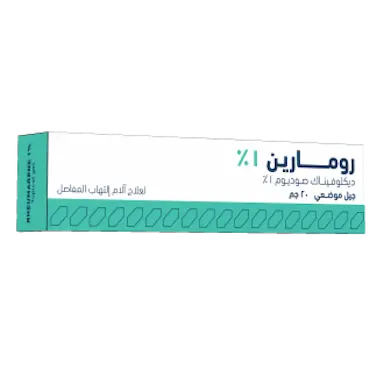
Rheumarene 1% Gel
A comprehensive guide to the effective topical gel for relieving muscle and joint pain.
Quick Facts
Diclofenac Sodium
Topical (within an hour)
Apply to skin only
Do not use on wounds
Doctor consultation required
Room temperature
What is Rheumarene Gel and What is it Used For?
Rheumarene Gel is a topical anti-inflammatory and pain-relieving medication containing the active ingredient “Diclofenac Sodium.” The gel works by penetrating the skin to reach the inflamed tissues, where it reduces the production of substances that cause pain and swelling. The advantage of topical treatment is that it concentrates the drug’s effect directly on the affected area, which reduces the systemic side effects that may accompany oral medications.
Rheumarene Gel is an effective option for managing localized pain and inflammation affecting muscles and joints.
- Muscle pain: Such as muscle strains and stress from exercise.
- Tendon and ligament injuries: Such as sprains and bruises.
- Superficial joint pain: Such as mild arthritis in the knees and hands.
- Localized back and neck pain.
Correct Method of Use
For best results and to avoid side effects, the correct method of use must be followed. First, ensure the affected area is completely clean and dry. Apply a small amount of gel (the size of a cherry or a walnut, depending on the area’s size) to the site of pain. Gently massage the gel until it is fully absorbed by the skin.
The gel is typically used 3 to 4 times a day. It is essential to wash your hands thoroughly with soap and water after each use, unless the hands are the area being treated. Do not cover the area with occlusive bandages or dressings after applying the gel.
Potential Side Effects
Since Rheumarene Gel is topical, most side effects are confined to the site of application and are usually mild. However, it’s important to be aware of them:
- Common effects: Mild skin irritation, redness, itching, or dryness in the applied area.
- Rare effects: Photosensitivity may occur, causing a rash upon sun exposure.
You should stop using the gel and consult a doctor if skin irritation is severe or if symptoms of an allergic reaction appear, such as a widespread rash, swelling, or difficulty breathing, although this is very rare with topical use.
Important Warnings and Precautions
Before using Rheumarene Gel, you should ensure there are no contraindications to guarantee your safety. This medication is for external use only and must not be ingested.
- Do not apply the gel to open wounds, infected skin, eczema, or burns.
- Avoid contact with eyes, mouth, or other mucous membranes.
- Do not use if you have a known allergy to diclofenac, aspirin, or any other NSAID.
- Consult a doctor before use if you are pregnant (especially in the third trimester), breastfeeding, or have chronic heart or kidney disease.
About the Manufacturer: SEDICO
This product is manufactured by “SEDICO,” the South Egypt Drug Industries Company, one of the leading firms in the Egyptian pharmaceutical sector. Since its establishment in 1990, “SEDICO” has been committed to applying the highest international quality standards and current Good Manufacturing Practices (cGMP) to ensure the safety and efficacy of its products.
The company is known as a pioneer in biotechnology in the region, having been the first to produce human insulin and growth hormone. With its diverse pharmaceutical portfolio covering many therapeutic areas, “SEDICO” has become a trusted brand among doctors and patients in Egypt and many countries in the Middle East and Africa.
More information and contact with SEDICO: Please visit the following link
Frequently Asked Questions about Rheumarene Gel
1. What’s the difference between Rheumarene Gel and pain relief tablets?
The main difference is the method of action. Rheumarene Gel works topically, where the active ingredient is absorbed directly through the skin to the site of pain and inflammation. This provides targeted pain relief while minimizing the amount of medication that reaches the rest of the body, thus reducing the risk of systemic side effects (like stomach and kidney problems).
In contrast, tablets are taken orally, and the active ingredient spreads throughout the body via the bloodstream. Tablets are more suitable for severe or widespread pain, while the gel is ideal for localized pain in muscles and superficial joints.
2. How long does it take for Rheumarene Gel to work?
Patients usually start to feel pain relief within an hour of applying the gel. However, the exact time can vary from person to person and depends on the severity and location of the condition. For the full benefit, especially in cases of inflammation, it may be necessary to use the gel regularly for several days.
It is important to adhere to regular use (3-4 times daily) as directed to achieve the best results. If you do not feel any improvement in your pain after 7 days of use, you should stop and consult your doctor to evaluate your condition.
3. Can I cover the area with a bandage after applying the gel?
It is not recommended to cover the treated area with occlusive bandages or tight plastic dressings (non-breathable medical adhesive) after applying the gel. Doing so can increase the absorption of the drug into the body, which raises the risk of systemic side effects and may also cause skin irritation.
However, you can cover the area with loose clothing after the gel has dried completely. If you need to use a bandage, make sure it is a breathable one (like gauze) and do not apply it too tightly. Consult a pharmacist or doctor for specific recommendations.
4. Why should I avoid sunlight on the treated area?
Diclofenac, the active ingredient in Rheumarene Gel, can cause a condition called “photosensitivity” in some people. This means the skin in the treated area becomes more sensitive to sunlight and ultraviolet (UV) rays, which can lead to skin reactions similar to sunburn, such as redness, itching, or blisters.
To prevent this, it is advisable to avoid direct and prolonged sun exposure or the use of tanning beds on the treated area throughout the treatment period and for two weeks after stopping. If you must go outside, cover the area with protective clothing.
5. Can I use Rheumarene Gel with heat packs?
No, you should avoid using heat packs, heating pads, or any external heat source on the area where Rheumarene Gel has been applied. Heat can increase blood flow to the skin, which can significantly enhance the drug’s absorption into the bloodstream and increase the risk of side effects.
Additionally, combining the gel with heat may increase the risk of local skin irritation or burns. If you wish to use heat or cold therapy, do so at different times than when you apply the gel, leaving a sufficient time gap between them.
6. Is Rheumarene Gel safe during pregnancy?
Caution should be exercised when using Rheumarene Gel during pregnancy. In general, all NSAIDs, including topical diclofenac, are contraindicated during the third trimester of pregnancy (after week 28) as they can harm the fetus and affect labor.
During the first and second trimesters, it should only be used if the potential benefit outweighs the potential risks, and only after consulting a doctor. There is always a small amount of the drug that is absorbed into the body, so safety is the priority.
7. What is the right amount of gel to use?
The amount depends on the size of the affected area. As a general rule, use enough to cover the area with a thin layer. For small areas like the wrist or ankle, a cherry-sized amount is usually sufficient. For larger areas like the knee or lower back, you might need a walnut-sized amount.
The goal is to use the smallest effective amount. Do not apply a very large amount thinking it will work faster, as this will not increase effectiveness and may increase the risk of skin irritation and side effects. Gently rub the gel in until it disappears completely.
8. Can I use it for rheumatoid arthritis pain?
Rheumarene Gel can help relieve the localized pain and swelling associated with arthritis, including rheumatoid arthritis, especially in joints close to the skin’s surface like the hands and knees. It acts as an adjunctive therapy to relieve symptoms.
However, it is important to understand that the topical gel does not treat the underlying cause of rheumatoid arthritis, which is an autoimmune disease that requires a comprehensive treatment plan prescribed by a rheumatologist. Do not use the gel as a substitute for your primary medications, but as an aid after consulting your doctor.
9. What should I do if the gel gets in my eyes?
Contact with the eyes can cause severe irritation and burning. If this happens by accident, you must act quickly. Immediately rinse your eyes with a large amount of clean, lukewarm water for at least 15 minutes. Be sure to keep your eyelids open during rinsing to allow the water to reach all parts of the eye.
After rinsing the eye thoroughly, if irritation or pain persists, or if your vision becomes blurry, you should contact your doctor or go to the nearest emergency department for evaluation. To avoid this, always wash your hands after applying the gel.
10. Can the gel be used with oral pain medications?
You should consult a doctor or pharmacist before combining Rheumarene Gel with any oral pain relievers. In particular, caution should be used when combining it with other NSAID tablets (like ibuprofen or naproxen) as this increases the total dose of the drug in the body and raises the risk of side effects.
It may be safe to use it with pain relievers that work via a different mechanism, such as paracetamol. However, do not do this on your own. A doctor is best suited to decide whether combining treatments is necessary and safe for your specific health condition.
Medical Disclaimer
The information contained in this article is for educational purposes only and should not be considered a substitute for professional medical advice. Do not diagnose or treat any health condition on your own. Always consult your doctor or pharmacist before starting any new medication or making any changes to your treatment plan. We assume no responsibility for any misuse of the information provided.

Dr. Ahmad Baker, PharmD
Senior Pharmacist & Health Educator
With over 23 years of clinical experience in hospital and community pharmacy across Egypt and Saudi Arabia, Dr. Ahmad specializes in reproductive health and pharmaceutical safety. He is dedicated to providing evidence-based guidance to empower patients in the MENA region.
Medical Disclaimer: This content is for educational purposes and reflects the latest pharmaceutical protocols. It is not a substitute for personal medical advice. Always consult Dr. Ahmad Baker or your healthcare provider before starting any treatment.