
Neuril (Diazepam) is a benzodiazepine with powerful therapeutic properties. Used for various medical conditions such as anxiety, seizures, and muscle spasms, it’s a key medication in treating conditions that require sedation and convulsion management. This guide will help you understand Neuril’s uses, dosages, side effects, and more.
What is Neuril?
Neuril is a pharmaceutical product containing Diazepam, a well-known benzodiazepine. It’s available in ampoules of 2 ml, each containing 10 mg of Diazepam. Neuril is primarily used for its:
- Anxiolytic (anxiety-relieving)
- Anticonvulsant (seizure-preventing)
- Muscle relaxant properties
It also plays a role in sedation and amnesic procedures during medical treatments.
How Does Neuril Work?
Diazepam, the active ingredient in Neuril, works by enhancing the effects of a neurotransmitter called GABA (gamma-aminobutyric acid), which inhibits certain brain activities. This leads to calming effects on the brain and nervous system, making it an effective treatment for anxiety, seizures, and muscle spasms.
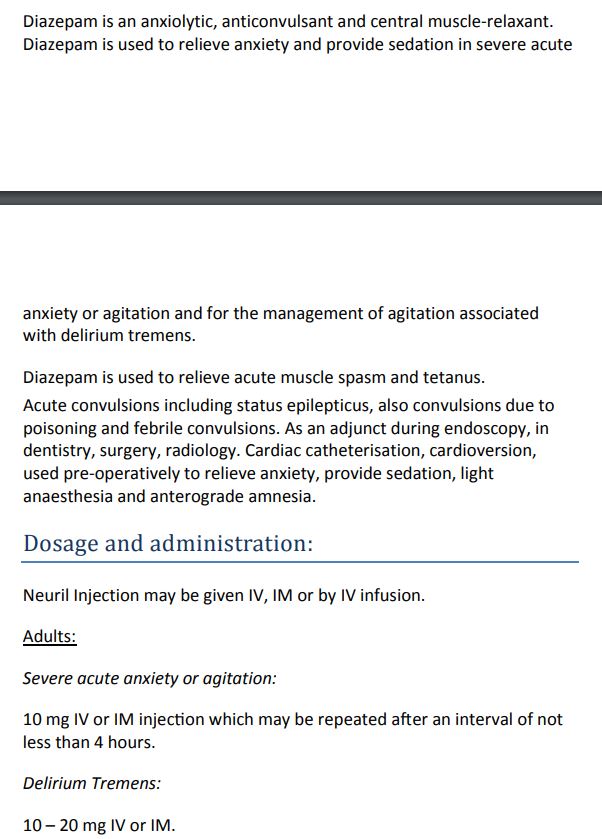
Indications for Neuril
Neuril is indicated for several conditions due to its wide-ranging effects:
1. Anxiety and Agitation
Neuril is used in the treatment of severe acute anxiety and agitation, especially in cases of delirium tremens, a serious condition associated with alcohol withdrawal.
2. Muscle Spasm and Tetanus
Its muscle-relaxing properties make it beneficial for acute muscle spasms and conditions like tetanus, where muscle control is critical.
3. Seizures
Neuril is used to manage status epilepticus and seizures caused by poisoning or febrile convulsions.
4. Pre-operative Sedation
Neuril provides sedation and anterograde amnesia (memory loss after administration) in patients undergoing procedures such as endoscopy, dentistry, or cardiovascular interventions.
Dosage and Administration of Neuril
Neuril can be administered in various ways: intravenously (IV), intramuscularly (IM), or via IV infusion. The dosage depends on the condition being treated.
Adults
- Severe acute anxiety or agitation: 10 mg IV/IM, repeatable every 4 hours if needed.
- Delirium Tremens: 10-20 mg IV/IM, with the option for higher doses based on symptoms.
- Acute muscle spasm: 10 mg IV/IM, repeatable every 4 hours.
- Tetanus: Initially 0.1-0.3 mg/kg body weight IV, repeat every 1-4 hours. Continuous IV infusion (3-10 mg/kg per 24 hours) may also be used for severe cases.
- Status epilepticus: 10-20 mg IV/IM, repeat if necessary after 30-60 minutes.
Children
- Status epilepticus or convulsions: 0.2-0.3 mg/kg body weight IV/IM or 1 mg per year of life.
- Pre-operative sedation: 0.2 mg/kg body weight given slowly (0.5 ml per minute).
Precautions and Contraindications
Neuril is a powerful drug with specific contraindications, especially in sensitive populations such as pregnant women, nursing mothers, and those with severe respiratory or hepatic impairments. Key contraindications include:
- Hypersensitivity to Diazepam or other benzodiazepines.
- Respiratory depression and sleep apnea.
- Severe liver disease.
- Pregnancy and breastfeeding: Neuril contains benzyl alcohol, making it unsafe for pregnant women, nursing mothers, and infants under 13 years.
Special Precautions
- Neuril should not be used in patients with chronic psychosis or anxiety associated with depression, as it may worsen symptoms or trigger suicidal ideation.
- Elderly or debilitated patients: Doses should be halved for these individuals to avoid excessive sedation or respiratory issues.
Side Effects of Neuril
Like all medications, Neuril comes with the potential for side effects, which range from mild to severe.
Common Side Effects
- Drowsiness and sedation: These may last into the following day and affect alertness.
- Dizziness and ataxia (lack of muscle control).
Serious Side Effects
- Respiratory depression: This is especially dangerous when high doses are used or when combined with other depressants like alcohol.
- Thrombocytopenia and leukopenia (blood disorders).
- Anaphylaxis: Severe allergic reactions.
Withdrawal Symptoms
Stopping Neuril suddenly can lead to severe withdrawal symptoms, such as:
- Headaches, muscle pain, anxiety.
- Seizures, hallucinations, and panic attacks.
Drug Interactions
Neuril interacts with several medications, making it essential to discuss any other drugs you’re taking with your doctor.
CNS Depressants
Neuril’s sedative effects can be enhanced when combined with other central nervous system (CNS) depressants such as:
- Alcohol
- Sedative antihistamines
- Antidepressants
Anticonvulsants
Neuril may increase or decrease the effectiveness of phenytoin, and combining it with barbiturates can cause excessive sedation.
Antibacterials and Antivirals
Antibacterials like isoniazid or antivirals like ritonavir can slow the metabolism of Diazepam, increasing the risk of sedation.
Conclusion: Understanding Neuril for Safe Use
Neuril (Diazepam) is a highly effective medication with broad applications in treating anxiety, muscle spasms, seizures, and more. However, it requires careful consideration of dosages, contraindications, and drug interactions to ensure its safe use.
If you’re considering Neuril for any medical condition, consult with a healthcare professional to tailor the dosage to your needs, and always stay aware of potential side effects and withdrawal symptoms.
Neuril Ampoule is produced by Memphis Pharmaceutical Industries, an Egyptian company that distributes and exports its products to various countries in Africa and the Middle East.

Dr. Ahmad Baker, PharmD
Senior Pharmacist & Health Educator
With over 23 years of clinical experience in hospital and community pharmacy across Egypt and Saudi Arabia, Dr. Ahmad specializes in reproductive health and pharmaceutical safety. He is dedicated to providing evidence-based guidance to empower patients in the MENA region.
Medical Disclaimer: This content is for educational purposes and reflects the latest pharmaceutical protocols. It is not a substitute for personal medical advice. Always consult Dr. Ahmad Baker or your healthcare provider before starting any treatment.