
Leptica is a medication that plays a crucial role in the treatment of several conditions related to the nervous system and mental health. Whether you are seeking relief from neuropathic pain, managing epilepsy, or dealing with generalized anxiety disorder (GAD), Leptica can be a helpful treatment option. In this blog post, we’ll dive deep into the essential aspects of Leptica, from its indications and dosage to the precautions and side effects that you should be aware of. This guide is designed to provide clarity on how Leptica works and how to use it safely.
What is Leptica?
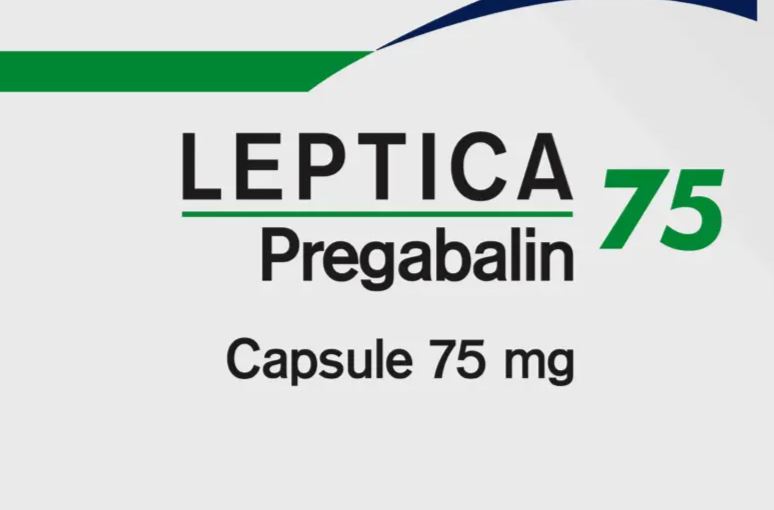
Leptica is the brand name for pregabalin, a medication primarily used to treat neuropathic pain, epilepsy, and generalized anxiety disorder (GAD). Pregabalin works by affecting the chemicals in the brain that send pain signals and can also reduce the abnormal electrical activity associated with seizures.
Leptica is available in capsule form, with dosages ranging from 75 mg to 150 mg per capsule, and is typically taken in divided doses throughout the day. The exact dosage depends on the condition being treated and the patient’s individual needs.
Indications for Leptica
Leptica is commonly prescribed for the following conditions:
1. Neuropathic Pain
Neuropathic pain arises from nerve damage or dysfunction and can be caused by a variety of factors, including diabetes, shingles, or spinal cord injury. Leptica is effective in both peripheral neuropathy (pain in the extremities) and central neuropathy (pain originating from the brain or spinal cord).
2. Epilepsy
Leptica is used as an adjunctive therapy to treat partial seizures, either with or without secondary generalization, in adults. It helps control seizures by stabilizing the electrical activity in the brain. Pregabalin can be a valuable treatment option for people who do not achieve adequate seizure control with other medications.
3. Generalized Anxiety Disorder (GAD)
Leptica is also indicated for the treatment of generalized anxiety disorder in adults. This condition is characterized by excessive worry and tension, often accompanied by physical symptoms such as restlessness, fatigue, and muscle tension. Leptica helps by reducing these symptoms, offering patients relief from the overwhelming anxiety.
Pregabalin: What You Need to Know
How to Take Leptica: Dosage Guidelines
Leptica dosage is tailored to the individual needs of the patient and depends on the condition being treated. Below are the general guidelines for adults:
1. Neuropathic Pain
- Starting Dose: 150 mg per day, divided into 2 or 3 doses.
- Titration: Depending on the response and tolerance, the dosage can be increased after 3-7 days to 300 mg per day. If needed, the dose may be increased further up to a maximum of 600 mg per day after an additional week.
2. Epilepsy
- Starting Dose: 150 mg per day, divided into 2 or 3 doses.
- Titration: After 1 week, the dose can be increased to 300 mg per day. If needed, the dose can be increased further to a maximum of 600 mg per day after another week.
3. Generalized Anxiety Disorder (GAD)
- Starting Dose: 150 mg per day, divided into 2 or 3 doses.
- Titration: After 1 week, the dose can be increased to 300 mg per day. After another week, the dose can be further increased to 450 mg per day. The maximum dose is 600 mg per day, typically after 3 weeks.
For Older Adults (65 and above)
Elderly patients may need a reduced dose due to decreased renal function. This is important because pregabalin is primarily excreted through the kidneys, and reduced renal function can affect its clearance from the body.
Children and Adolescents
Leptica is not recommended for children under 12 years of age, and its safety and efficacy for adolescents (ages 12-17) have not been established. Therefore, its use in younger patients should be avoided unless explicitly prescribed by a doctor.
Key Considerations and Precautions When Using Leptica
While Leptica can be highly effective for the conditions listed above, there are several important precautions to consider to ensure its safe use:
Alcohol Interaction
- Consult your doctor: The safety of Leptica in combination with alcohol has not been established. Alcohol can enhance the sedative effects of pregabalin, leading to dizziness, drowsiness, or difficulty concentrating. Always check with your healthcare provider before consuming alcohol while on Leptica.
Driving and Operating Machinery
- Not recommended: Leptica may cause dizziness or drowsiness, especially during the initial stages of treatment or when increasing the dosage. It is advised that you avoid operating heavy machinery or driving until you are sure how the medication affects you.
Pregnancy and Lactation
- Consult your doctor: The safety of Leptica during pregnancy and lactation has not been fully established. Pregabalin should only be used during pregnancy or breastfeeding if the potential benefits outweigh the risks. Speak to your healthcare provider for guidance tailored to your situation.
Side Effects of Leptica
Like all medications, Leptica can cause side effects. Some of the common and more serious side effects include:
Common Side Effects:
- Dizziness
- Drowsiness
- Fatigue
- Swelling in hands or feet (edema)
- Weight gain
- Difficulty concentrating
Serious Side Effects:
- Mood changes: Pregabalin has been associated with mood swings, anxiety, and even suicidal thoughts. Any signs of depression or mood changes should be reported to a doctor immediately.
- Severe allergic reactions: Although rare, some individuals may experience allergic reactions like hives, difficulty breathing, or swelling of the face and throat. Seek emergency medical attention if these occur.
Discontinuation
- Leptica should not be stopped abruptly, as doing so may lead to withdrawal symptoms. It is recommended to taper the dosage gradually over at least one week.
Leptica and Renal Function
Pregabalin is mainly eliminated from the body through the kidneys. Therefore, patients with renal impairment may need dose adjustments based on their kidney function. Your doctor will determine the appropriate dosage depending on your creatinine clearance (Clcr).
For patients with hepatic impairment, no dose adjustment is required, as pregabalin is not significantly metabolized by the liver.
Conclusion
Leptica (pregabalin) is a versatile and effective medication used for treating neuropathic pain, epilepsy, and generalized anxiety disorder. Understanding the proper dosage, potential side effects, and necessary precautions is essential for using this medication safely and effectively. As always, it’s crucial to follow your healthcare provider’s recommendations and communicate openly about any side effects or concerns during treatment.
If you or someone you know is considering Leptica as a treatment option, make sure to consult a doctor to tailor the dosage and plan of care according to individual needs.

Dr. Ahmad Baker, PharmD
Senior Pharmacist & Health Educator
With over 23 years of clinical experience in hospital and community pharmacy across Egypt and Saudi Arabia, Dr. Ahmad specializes in reproductive health and pharmaceutical safety. He is dedicated to providing evidence-based guidance to empower patients in the MENA region.
Medical Disclaimer: This content is for educational purposes and reflects the latest pharmaceutical protocols. It is not a substitute for personal medical advice. Always consult Dr. Ahmad Baker or your healthcare provider before starting any treatment.