
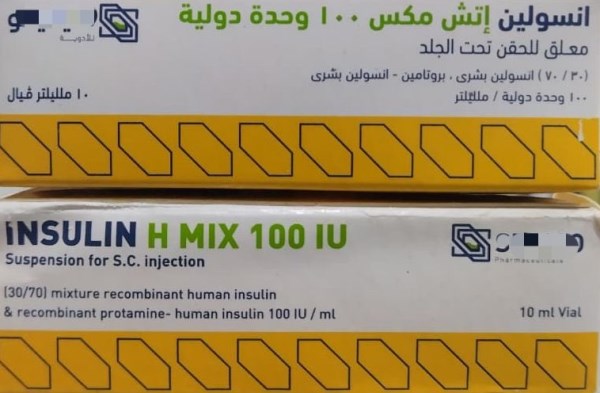
Insulin H Mix 100
A comprehensive guide to Insulin H Mix, a premixed insulin used to control blood sugar levels in diabetic patients.
Quick Facts
What is Insulin H Mix and what is it used for?
Insulin H Mix is a pre-mixed human insulin containing two types of insulin in one vial. This dual formulation simplifies treatment by providing a single dose that covers post-meal sugar spikes and provides basal control between meals.
- 30% Regular Human Insulin: A fast-acting insulin that starts working within 30 minutes to control the sugar rise from eating food.
- 70% Human Protamine Insulin: An intermediate-acting insulin that starts working later and lasts longer to provide a steady level of insulin in the blood.
- Indications: Used for patients with type 1 and type 2 diabetes who require insulin to regulate blood sugar levels.
This type of insulin is a popular choice for patients who prefer fewer daily injections, as it combines two types of insulin in a single shot.
How to Use and Dosage
The dose of Insulin H Mix depends on each patient’s needs and is determined by a doctor. The medicine is administered by subcutaneous injection only. Before each use, the insulin must be gently mixed by rolling the vial between the palms until the liquid becomes uniformly white and cloudy.
- Dosage: Usually injected twice daily, about 30-45 minutes before breakfast and before dinner.
- Injection Method: Injected under the skin in the abdomen, thigh, or upper arm.
- Rotate Injection Sites: It is important to change the injection site each time to prevent fatty lumps under the skin.
- Concentration Warning: This preparation is 100 IU/ml concentration, and only insulin syringes intended for 100 units (U-100) concentration should be used.
Blood sugar levels should be monitored regularly to adjust the dose as needed in consultation with your doctor. Do not change your dose on your own.
Potential Side Effects
The most common and serious side effect of insulin is low blood sugar (hypoglycemia). It is essential for the patient and their family to learn how to recognize its symptoms and manage them.
- Hypoglycemia: Symptoms include headache, hunger, sweating, shakiness, fast heartbeat, dizziness, and difficulty concentrating.
- Injection Site Reactions: Redness, swelling, or itching may occur at the injection site. These symptoms are usually temporary.
- Lipohypertrophy: Thickening or pitting of the skin fat at repeated injection sites.
- Weight Gain: Slight weight gain may occur as blood sugar control improves.
In rare cases, a severe allergic reaction may occur. If you experience a widespread rash, difficulty breathing, or facial swelling, seek emergency medical help.
Important Warnings and Precautions
Insulin H Mix should be handled with care to ensure safety and effectiveness. Several situations require special attention.
- Hypoglycemia: Do not inject insulin if you are experiencing symptoms of low blood sugar. Always keep a fast-acting source of sugar (like juice or candy) with you.
- Lifestyle Changes: Any change in diet, exercise, or stress level may require an adjustment in your insulin dose. Always consult your doctor.
- Proper Storage: Unopened vials should be stored in the refrigerator (2-8°C). Never freeze them. After opening, they can be kept at room temperature for up to 28 days.
- Pregnancy and Lactation: Insulin needs change during pregnancy and lactation. Close monitoring with a doctor is essential to adjust doses.
Tell your doctor about all other medications you are taking, as many drugs can interact with insulin and affect blood sugar levels.
Frequently Asked Questions (FAQ)
1. What does the 30/70 ratio in Insulin H Mix mean?
This ratio means that each dose of insulin contains 30% regular human insulin (fast-acting) and 70% human protamine insulin (intermediate-acting). The fast-acting part provides control for the sugar spike that occurs right after a meal, while the intermediate-acting part provides basal control for longer hours between meals.
This mix is designed to mimic the body’s natural insulin response, making it an effective option for patients who need both mealtime and basal sugar control in a single injection.
2. Why should I inject the dose 30 minutes before eating?
Insulin H Mix contains regular human insulin, which needs about 30 to 45 minutes to start lowering blood sugar. Injecting the dose this far in advance allows the insulin to start working concurrently as carbohydrates from your meal begin to be absorbed and your blood sugar rises.
If you inject and eat immediately, your blood sugar may spike sharply before the insulin starts working. If you wait too long after injecting, you may risk hypoglycemia before you start eating.
3. How should I mix the insulin before injection?
Since Insulin H Mix is a suspension, it’s crucial to resuspend its components before each dose. The correct method is to gently roll the vial between your palms at least 10 times, then invert it upside down 10 times. The liquid should become uniformly milky white.
Do not shake the vial vigorously, as this can cause foam and lead to inaccurate dosing. If you see any clumps or white particles stuck to the bottom or walls of the vial after mixing, do not use it.
4. What are the signs of hypoglycemia and how do I treat it?
Hypoglycemia is the main risk when using insulin. Early symptoms include shakiness, sweating, intense hunger, fast heartbeat, dizziness, and irritability. If untreated, it can progress to confusion, difficulty speaking, and in severe cases, loss of consciousness or seizures.
When you feel any of these symptoms, you should immediately consume 15 grams of fast-acting carbohydrates, such as half a cup of juice, 3-4 glucose tablets, or a tablespoon of sugar or honey. Wait 15 minutes, then recheck your blood sugar.
5. Why is it important to rotate injection sites?
Rotating injection sites is a fundamental practice for all insulin users. Repeatedly injecting in the same spot can cause a condition called “lipohypertrophy,” which is a buildup of fat under the skin that forms hard lumps. Not only do these lumps look unpleasant, but they can also affect insulin absorption.
If you inject insulin into a lumpy area, it may not be absorbed properly and predictably, leading to unexplained fluctuations in blood sugar levels. Therefore, you should constantly change the injection site within the recommended areas (abdomen, thighs, arms).
6. How should Insulin H Mix be stored?
Proper storage is essential to maintain insulin’s effectiveness. Unopened vials should be stored in the refrigerator (between 2 and 8°C). It is very important not to put them in the freezer, as frozen insulin loses its effectiveness and must be discarded.
After opening a vial and starting to use it, it can be kept at room temperature (below 30°C) for up to 28 days. It should be protected from direct light and extreme heat. Discard any remaining insulin after 28 days of use.
7. Does Insulin H Mix cause weight gain?
Weight gain is a potential side effect of all types of insulin. Insulin plays a role in fat storage, and when blood sugar control improves, the body may stop losing excess calories through urine, which can lead to slight weight gain.
This side effect can be managed by following a healthy diet and exercising regularly, and discussing any concerns with your doctor, who may adjust your treatment plan.
8. What should I do if I miss a dose?
Handling a missed dose depends on your treatment regimen and meal timing. The general rule is to never double the next dose. It is best to consult your doctor or diabetes educator for specific instructions for your situation.
Your doctor might advise you to take a reduced dose if you remember shortly after, or to skip the dose and monitor your blood sugar closely until the next scheduled dose. It’s important to have a plan with your doctor in advance on how to handle missed doses.
9. How does illness or stress affect my insulin needs?
When you are sick or under stress, your body releases stress hormones that can raise your blood sugar levels. This means you may need more insulin to keep your sugar stable, even if you are not eating much.
It is crucial not to stop taking insulin during an illness. You should monitor your blood sugar more frequently (every 2-4 hours) and stay in contact with your doctor. Your doctor will provide you with a “sick day plan” that explains how to adjust your doses.
10. Can I travel with Insulin H Mix vials?
Yes, you can travel safely with your insulin vials. You should always keep your insulin supplies (plus extra) in your carry-on bag and never put them in checked luggage, where they can be exposed to freezing temperatures, which would damage them.
Use an insulated cooling case to keep the insulin at a suitable temperature, but avoid placing frozen ice packs directly on it. It is also a good idea to carry a letter from your doctor explaining your medical need to carry insulin and needles, especially when traveling by air.
Disclaimer and Information Sources
- Content Purpose: The information in this guide is for awareness and educational purposes only and is not a substitute for professional medical advice. Do not use this or any other medication without consulting your doctor or pharmacist.
- Source of Information: This content was prepared based on official, documented medical sources appropriate for the topic (such as official drug leaflets, health ministry guidelines, FDA directives, or specialized medical organizations).
- Publication Date | Last Updated: September 21, 2025


Dr. Ahmad Baker, PharmD
Senior Pharmacist & Health Educator
With over 23 years of clinical experience in hospital and community pharmacy across Egypt and Saudi Arabia, Dr. Ahmad specializes in reproductive health and pharmaceutical safety. He is dedicated to providing evidence-based guidance to empower patients in the MENA region.
Medical Disclaimer: This content is for educational purposes and reflects the latest pharmaceutical protocols. It is not a substitute for personal medical advice. Always consult Dr. Ahmad Baker or your healthcare provider before starting any treatment.