
Glustacomb
A comprehensive guide to Glustacomb, a medication used to treat type 2 diabetes, combining metformin and pioglitazone.
Quick Facts
Definition and Uses
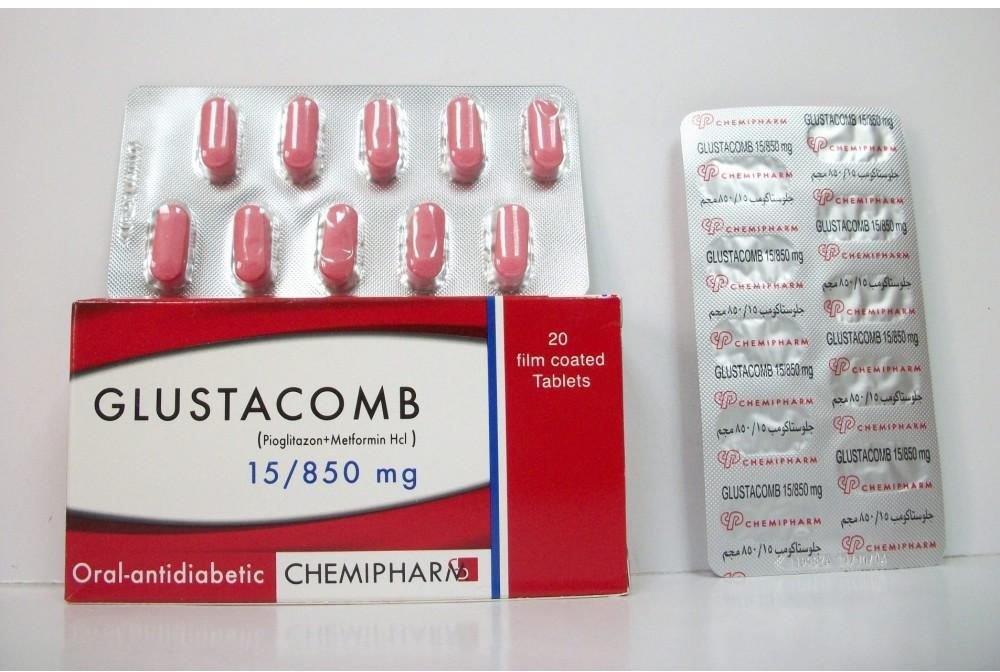
Glustacomb is a combination drug used to treat type 2 diabetes. It contains two active ingredients that work together to control blood sugar levels: metformin and pioglitazone. Metformin primarily works by reducing glucose production in the liver and improving the body’s sensitivity to insulin, while pioglitazone works by increasing the cells’ response to insulin, helping to use sugar more effectively.
- Used as an adjunct to diet and exercise to control blood sugar in adults with type 2 diabetes.
- Not used for treating type 1 diabetes or diabetic ketoacidosis.
- The drug works through two complementary mechanisms to achieve better control over glucose levels.
How to Use and Dosage
The dosage of Glustacomb should be determined by a doctor based on the patient’s health condition and blood sugar level. The tablets are taken orally, and it is usually recommended to take them with meals to reduce gastrointestinal side effects, such as nausea and diarrhea, which may be caused by metformin. Adhering to the prescribed dose and regular follow-up with a doctor is essential for achieving the best results.
- The dose is usually taken once or twice daily as directed by a doctor.
- Swallow the tablet whole with a glass of water; do not crush or chew it.
- The doctor may start with a low dose and gradually increase it to reduce the risk of side effects.
- The drug is available in different strengths such as 15/500 mg and 15/850 mg (pioglitazone/metformin).
Side Effects
Glustacomb may cause some side effects, ranging from mild to severe. It is important for the patient to be aware of these effects and to inform their doctor immediately if alarming symptoms appear. Most gastrointestinal side effects are temporary and improve with continued treatment, but serious symptoms should be noted.
- Common: Upper respiratory tract infection, headache, nausea, diarrhea, abdominal pain, slight weight gain, and fluid retention.
- Uncommon: Muscle pain, anemia, and vision problems.
- Rare and Serious: Lactic acidosis (a medical emergency), heart failure, liver problems, and an increased risk of bone fractures in women.
Warnings and Precautions
Glustacomb should be used with extreme caution and under close medical supervision due to some risks associated with its components. Informing your doctor of your complete medical history and all other medications you are taking is vital to ensure your safety. There are some conditions where this drug is strictly contraindicated.
- Heart Failure: Pioglitazone can cause fluid retention, which may worsen or cause heart failure. It should not be used by patients with severe heart failure.
- Lactic Acidosis: Metformin can cause a rare but serious condition called lactic acidosis, which requires emergency treatment. The risk increases in patients with kidney or liver impairment.
- Kidney and Liver Function: Regular tests for kidney and liver function should be performed before and during treatment.
- The drug should be temporarily stopped before any surgery or X-ray procedure that requires the use of contrast dye.
Frequently Asked Questions
What should I do if I miss a dose of Glustacomb?
If you miss a dose, take it as soon as you remember with some food. However, if it is almost time for your next dose, skip the missed dose and continue with your regular schedule. Do not double the dose to make up for the missed one, as this may increase the risk of side effects and low blood sugar.
It is helpful to link the medication time with a regular daily activity, such as breakfast or dinner, to make it easier to remember. If you frequently forget doses, talk to your doctor or pharmacist about strategies to help you adhere, such as using pill organizers or setting phone alerts.
Does Glustacomb cause weight gain?
Yes, one of the potential side effects of the pioglitazone component is weight gain, which is often related to fluid retention. In contrast, metformin is usually weight-neutral or may cause slight weight loss. The final effect on weight varies from person to person and depends on the dose and lifestyle.
It is essential to monitor your weight regularly while taking this medication and to inform your doctor of any rapid or unexplained weight gain, especially if it is accompanied by swelling in the feet or ankles or shortness of breath, as these could be signs of heart failure. Following a healthy diet and exercising regularly can help manage weight.
Can I drink alcohol while taking this medication?
It is advisable to avoid or severely limit alcohol consumption while on treatment with Glustacomb. Alcohol can increase the risk of metformin-associated lactic acidosis, a serious condition. Alcohol can also affect blood sugar levels, potentially causing either a sharp rise or fall, making diabetes control more difficult.
If you choose to drink alcohol, do so in extreme moderation and always with food to avoid low blood sugar. Consult your doctor for specific guidance on what is safe for you. It is always best to exercise extreme caution and prioritize your health and good diabetes management.
Why do I need regular blood tests during treatment?
Regular blood tests are necessary to monitor the safety and effectiveness of the treatment. Your doctor will order tests to monitor kidney function, as metformin is eliminated by the kidneys, and any impairment can increase the risk of lactic acidosis. Liver function will also be checked regularly because pioglitazone may cause liver problems in rare cases.
Additionally, your HbA1c level will be checked every 3 to 6 months to assess how effective the drug is at controlling long-term blood sugar levels. These tests help your doctor adjust the dosage if necessary and ensure that the treatment continues safely.
When should I stop taking Glustacomb and call my doctor?
You should stop taking the drug and call your doctor immediately if you develop symptoms of lactic acidosis, such as unusual muscle pain, difficulty breathing, stomach pain, feeling cold, dizziness, or extreme fatigue. You should also seek medical help for signs of heart failure like rapid weight gain, leg swelling, or shortness of breath.
Also, if symptoms of liver problems appear, such as persistent nausea, loss of appetite, dark urine, or yellowing of the skin or eyes (jaundice), you should inform your doctor immediately. Do not hesitate to seek medical care for any side effect that you feel is serious or very worrying.
Can Glustacomb be used with insulin?
Glustacomb can be used with insulin in some cases to improve blood sugar control, but this must be done with extreme caution and under close medical supervision. The combination of pioglitazone (a component of Glustacomb) and insulin significantly increases the risk of fluid retention and heart failure. The doctor will carefully evaluate the risks and benefits.
If your doctor prescribes this combination, they will likely start with the lowest possible dose of pioglitazone and monitor you closely for any signs of fluid retention or heart problems. It is very important to inform your doctor of any new symptoms that appear while taking this combination of drugs.
How long does it take for the drug to start working?
The effect of Glustacomb on lowering blood sugar is not immediate. While metformin starts to work within a few days, pioglitazone takes longer to show its full effect. You may notice some improvement in your blood sugar levels within the first or second week, but the maximum effect of pioglitazone can take 8 to 12 weeks to fully manifest.
Therefore, it is important to be patient and continue taking the medication as prescribed, even if you do not see significant changes immediately. Adherence to treatment along with a healthy diet and exercise is the key to achieving the best long-term control over diabetes.
Does this drug increase the risk of cancer?
Some studies have indicated a possible link between long-term use of pioglitazone and a slight increase in the risk of bladder cancer. Although the absolute risk is considered low, drug regulatory bodies recommend that this drug not be used for patients with a current or past history of bladder cancer. The doctor should be informed immediately if you notice any blood in your urine.
Your doctor will weigh the potential benefits of controlling diabetes against this potential risk before prescribing the drug. It is important to discuss any concerns you have with your doctor. As for metformin, some research has suggested it may have a protective effect against certain types of cancer, but this is still under investigation.
What is the risk of low blood sugar (hypoglycemia) with Glustacomb?
When used alone (with diet and exercise), the risk of Glustacomb causing a sharp drop in blood sugar (hypoglycemia) is low. This is because its components primarily work by improving the body’s use of insulin and reducing sugar production, rather than directly increasing insulin secretion. The risk still exists but is lower compared to other drugs.
However, the risk of hypoglycemia increases significantly if Glustacomb is taken with other diabetes medications such as sulfonylureas or insulin. It is essential to know the symptoms of low blood sugar (such as dizziness, sweating, confusion, extreme hunger) and how to manage them by consuming a quick source of sugar.
Can older adults use Glustacomb safely?
Older adults can use Glustacomb, but it must be done with extreme caution and close monitoring. The elderly are often more susceptible to deteriorating kidney function, which increases the risk of metformin-associated lactic acidosis. They are also more prone to heart failure, which can be exacerbated by pioglitazone.
Doctors usually start with the lowest possible dose for elderly patients and regularly monitor kidney and heart function. It is important that the patient or their caregivers are fully aware of the potential serious side effects. There may be safer treatment options for some older adults, and the final decision depends on the doctor’s assessment.
Disclaimer and Information Sources
- Purpose of Content: The information provided in this guide is for awareness and knowledge purposes only and is not a substitute for professional medical advice. Do not use this or any other medication without consulting your doctor or pharmacist.
- Source of Information: This content has been prepared based on official, documented medical sources appropriate for the topic (such as official drug leaflets, health ministry guidelines, FDA directives, or specialized medical organizations).
- Publication Date | Last Updated: [October 2025]

Dr. Ahmad Baker, PharmD
Senior Pharmacist & Health Educator
With over 23 years of clinical experience in hospital and community pharmacy across Egypt and Saudi Arabia, Dr. Ahmad specializes in reproductive health and pharmaceutical safety. He is dedicated to providing evidence-based guidance to empower patients in the MENA region.
Medical Disclaimer: This content is for educational purposes and reflects the latest pharmaceutical protocols. It is not a substitute for personal medical advice. Always consult Dr. Ahmad Baker or your healthcare provider before starting any treatment.