
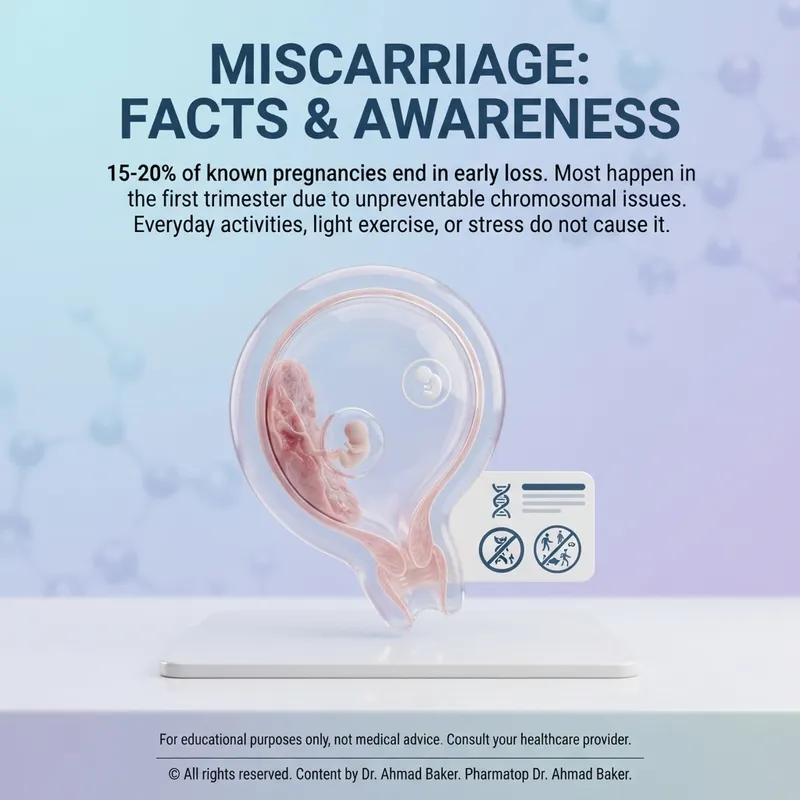
Understanding Early Pregnancy Loss: Clinical Etiologies, Overcoming Self-Blame, Evidence-Based Management, and Future Reproductive Prognosis
Early pregnancy loss (spontaneous miscarriage) affects approximately 15% to 20% of clinically recognized pregnancies, with the vast majority occurring in the first trimester as a result of de novo, non-preventable chromosomal aneuploidies. Despite widespread cultural misconceptions that correlate miscarriage with routine daily activity, light exercise, or transient emotional stress, modern reproductive medicine firmly establishes that maternal behaviors do not cause spontaneous loss in anatomically and cytogenetically normal gestations. This clinical treatise breaks down the cellular mechanisms of pregnancy loss, debunks pervasive myths, outlines evidence-based medical and surgical management protocols, and provides an objective, reassuring roadmap for future conception.
📑 Table of Contents

Figure 1: Overcoming self-blame after pregnancy loss begins with understanding the biological independence of spontaneous miscarriage from maternal daily behaviors.
⚡ Clinical Quick Facts: Early Pregnancy Loss (Miscarriage)
| 🔬 Clinical Definition | Spontaneous, non-induced demise of an intrauterine pregnancy prior to 20 completed weeks of gestation (predominantly before 12–13 weeks) |
| 📊 General Population Incidence | 15% to 20% of all clinically recognized pregnancies; upward of 30% when including subclinical chemical pregnancies |
| 🧬 Primary Biological Cause | De novo embryonic chromosomal aneuploidies (non-disjunction errors) responsible for >50% to 70% of first-trimester losses |
| 🚫 Maternal Behavioral Contribution | 0% in routine circumstances (e.g., standard daily movement, normal stair climbing, sexual intercourse, light exercise, or mild daily stress) |
| 🏥 Primary Clinical Regimens | Expectant management; Medical management (Mifepristone 200 mg PO + Misoprostol 800 mcg buccal); Manual Vacuum Aspiration (MVA) |
| 📈 Future Reproductive Prognosis | Over 85% of individuals achieve a healthy term pregnancy following a single loss; ~75% after two consecutive losses without specialized interventions |
| 🩸 Critical Diagnostic Benchmark | Transvaginal ultrasonography (TVUS) evaluating mean sac diameter (MSD ≥ 25 mm without embryo) and crown-rump length (CRL ≥ 7 mm without cardiac activity) |
| 🛡️ Standard Preventative Pharmacotherapy | Preconception Folic Acid (400–800 mcg/day); Anti-D Immune Globulin (for RhD-negative patients); targeted Micronized Progesterone (for select bleeding cohorts) |
1. What is Early Pregnancy Loss (Miscarriage)?
In modern reproductive pathology and clinical obstetrics, **early pregnancy loss**—interchangeably referred to as spontaneous abortion or early miscarriage—is defined by the American College of Obstetricians and Gynecologists (ACOG) and the Royal College of Obstetricians and Gynaecologists (RCOG) as the non-viable demise of an intrauterine gestation occurring prior to 20 completed weeks of amenorrhea. The vast preponderance of these events (greater than 80%) occur within the initial 12 to 13 weeks of gestation, clinically designated as the first trimester.
Despite its clinical frequency, early pregnancy loss remains an emotionally traumatic, frequently misunderstood human experience. In outpatient clinical practice, healthcare providers frequently encounter women experiencing debilitating bouts of maternal guilt, self-reproach, and existential doubt. Patients frequently express harrowing internal narratives: “Did I walk too quickly? Did carrying my toddler cause this? Was it the hot shower I took, the single cup of espresso, or an argument I had with my partner?”
The foremost clinical imperative in managing pregnancy loss is providing absolute scientific clarity: **early pregnancy loss is almost universally an intrinsic biological reality entirely detached from maternal actions, thoughts, or routine daily behaviors.** The human reproductive process, while remarkable, is characterized by high rates of early biological attrition. A significant proportion of fertilized ova fail to develop normally at the molecular level, triggering an autonomous physiological cessation of development. Recognizing that miscarriage is fundamentally a chromosomal or structural failure of the early conceptus—rather than a failure of maternal care, biology, or maternal competence—is the foundational step toward physiological and emotional healing.
2. Detailed Etiology & Biological Mechanisms
To understand why spontaneous miscarriage occurs, one must examine the complex molecular cascade of human embryogenesis. The initiation of pregnancy requires an intricate choreography of gametogenesis, fertilization, mitotic cleavage, blastocyst hatching, and trophoblastic invasion into the maternal decidua. When early embryonic development abruptly arrests, it is virtually always governed by cellular and genetic mechanisms that no external behavior could alter.

Figure 2: Cytogenetic analyses reveal that random chromosomal non-disjunction constitutes the overwhelming majority of first-trimester pregnancy losses.
| Etiological Category | Estimated Contribution | Pathophysiological Mechanism |
|---|---|---|
| Chromosomal Aneuploidies (Genetic) | 50% to 70% of all 1st-trimester losses | Random, de novo meiotic non-disjunction errors during maternal oogenesis (and less frequently paternal spermatogenesis). Results in numerical chromosomal anomalies: Autosomal Trisomies (e.g., Trisomy 16, 21, 22, 18, 13), Monosomy X (45,X – Turner syndrome), and Polyploidy (Triploidy, Tetraploidy). Arrests cellular differentiation; fundamentally incompatible with organogenesis and fetal viability. |
| Endocrine / Hormonal Dysregulation | 10% to 15% | Inadequate corpus luteal progesterone secretion prior to luteal-placental shift (7–9 weeks); uncontrolled overt maternal diabetes mellitus (hyperglycemia-induced embryopathy); unmanaged thyroid disease (severe clinical hypothyroidism or thyroid peroxidase [TPO] autoantibody elevation); hyperprolactinemia. |
| Anatomical & Structural Factors | 10% to 15% | Congenital uterine malformations (complete or partial septate uterus, bicornuate uterus); acquired cavitary lesions such as large submucosal leiomyomas (fibroids) or extensive intrauterine synechiae (Asherman syndrome); cervical insufficiency (typically precipitating painless second-trimester delivery). |
| Immunological & Thrombophilic Disorders | 5% to 10% (Primarily in recurrent loss) | Antiphospholipid Syndrome (APS) characterized by circulating lupus anticoagulant, anticardiolipin antibodies, or anti-beta-2-glycoprotein I. Drives microvascular placental thrombosis, decidual vasculopathy, and targeted trophoblast complement activation. Inherited thrombophilias (Factor V Leiden, Prothrombin G20210A) play a secondary, debated role. |
| Maternal Infections & Environmental Toxins | <3% to 5% | Systemic acute pyrogenic infections (Listeria monocytogenes, Cytomegalovirus, Toxoplasmosis, Parvovirus B19); heavy environmental toxic exposures (high-level ionizing radiation, lead poisoning, heavy active tobacco smoking >20 cigarettes/day, chronic ethanol abuse). |
The Cytogenetic Reality: The Inevitability of Chromosomal Aneuploidy
When molecular cytogenetic testing (chromosomal microarray analysis [CMA] or next-generation sequencing [NGS]) is performed on the products of conception following a spontaneous first-trimester loss, more than 50% to 70% demonstrate major chromosomal aberrations.
The most prominent anomaly is **autosomal trisomy**, accounting for roughly half of all cytogenetically abnormal specimens. Trisomy 16 is the single most frequent trisomy identified in spontaneous miscarriages, a genetic arrangement that is uniformly lethal in early embryonic life and never observed in live births. These errors arise spontaneously during maternal oocyte meiosis—an exquisitely delicate cell-division process where chromosomes must replicate, align, and separate cleanly. Because maternal oocytes are formed during fetal life and remain arrested in prophase of meiosis I for decades, the degradation of the sister chromatid cohesion complex over time makes accidental non-disjunction increasingly common with advanced maternal age.
When an embryo inherits an extra or missing chromosome, fundamental genetic transcription programs are broken. The cells cannot construct the essential biochemical architecture required for neural tube closure, cardiovascular loop formation, or placental vascular branching. The embryonic pole stops growing, human chorionic gonadotropin (β-hCG) secretion drops, the corpus luteum ceases progesterone production, and the maternal decidua inevitably sheds. This is not an illness contracted by the mother; it is a profound genetic error originating at the exact moment of gamete fusion.
3. Debunking Guilt & Miscarriage Myths
Societal folklore, well-meaning relatives, and outdated internet forums perpetuate a toxic ecosystem of misinformation that places the burden of pregnancy loss squarely on the shoulders of the mother. Clinical evidence thoroughly disproves each of these pervasive myths:

Figure 3: Routine physical activities, emotional stress, and ordinary daily movements do not induce early pregnancy loss in healthy uterine environments.
- Myth 1: “Climbing stairs, walking, or household chores dislodged the pregnancy.”
The Clinical Reality: The early conceptus is microscopic to millimeter-sized, deeply embedded within the cellular matrix of the maternal endometrium. It does not sit loosely inside the uterine cavity like a marble in a jar; it is securely intertwined with maternal capillaries within a thick, muscular organ cradled inside the bony pelvis and buffered by amniotic fluid. Normal walking, descending or climbing stairs, carrying grocery bags, or bending over has zero impact on embryonic anchorage. - Myth 2: “Riding in a vehicle over speed bumps or sudden braking caused a detachment.”
The Clinical Reality: Daily transit vibrations, mild bumps, and routine vehicular motion are entirely dampened by the musculoskeletal biomechanics of the maternal spine, pelvic girdle, and amniotic sac. Unless a woman experiences high-velocity direct abdominal trauma (such as a severe motor vehicle collision with airbag deployment or seatbelt crushing force), normal travel cannot precipitate a miscarriage. - Myth 3: “Engaging in sexual intercourse or experiencing orgasm triggered the loss.”
The Clinical Reality: In an uncomplicated, low-risk pregnancy, penile-vaginal intercourse and female orgasmic uterine contractions do not induce abortion. The gestational sac is insulated above the internal cervical os, which is sealed by a dense, antibacterial cervical mucus plug. While intercourse may occasionally cause light, benign cervical spotting due to increased mucosal vascularity (ectropion), it cannot induce placental disruption or embryonic demise. - Myth 4: “A sudden emotional fright, weeping, or an intense argument caused the miscarriage.”
The Clinical Reality: While prolonged, severe maternal malnutrition or wartime-level traumatic stress can influence neuroendocrine parameters, acute everyday emotional distress, workplace anxiety, relationship arguments, and periods of weeping do not cause miscarriage. Transient elevations in maternal cortisol or adrenaline do not constrict early placental blood flow to the point of embryonic termination. - Myth 5: “Drinking a cup of coffee or eating spicy foods poisoned the baby.”
The Clinical Reality: Multiple large-scale epidemiological studies, synthesized by ACOG, confirm that moderate caffeine intake (under 200 mg per day—equivalent to one to two standard cups of brewed coffee) does not elevate miscarriage risk. Dietary choices, spices, or mild stomach upset do not cross the placental barrier to harm an embryo’s chromosomal viability.
💬 Processing a Pregnancy Loss and Need Objective Clinical Guidance?
Connect with Dr. Ahmad Baker’s clinical team for confidential, evidence-based guidance through post-loss care, diagnostics, and preconception recovery.
Get Medical Support Explore Women’s Health Silo4. Clinical Management Protocols
Once non-viability is definitively established via ultrasound—defined by ACOG guidelines as a crown-rump length (CRL) ≥ 7 mm without cardiac activity, or a mean sac diameter (MSD) ≥ 25 mm devoid of an embryo—the patient and clinical team must select an active or passive management pathway. In the absence of acute hemorrhage or systemic infection, **expectant, medical, and surgical management are all safe, clinically validated options**, and the choice must be guided by patient preference and autonomy.
1. Expectant Management (Watchful Waiting)
- Protocol: Awaiting the spontaneous expulsion of gestational tissue without pharmacological or surgical intervention. Typically monitored over a 1- to 4-week window.
- Efficacy: Achieves complete uterine evacuation in 70% to 80% of incomplete miscarriages, but only in approximately 50% of missed abortions (anembryonic gestations or retained embryonic poles).
- Clinical Considerations: Avoids medication side effects and surgical instrumentation. However, it carries an unpredictable timeline, longer duration of bleeding, higher rates of unplanned emergency visits, and an elevated potential need for secondary surgical evacuation.
2. Medical Management (Evidence-Based Pharmacotherapy)
Historically, medical management relied exclusively on misoprostol alone. However, landmark trials—including the randomized Pre-ACT trial published in the New England Journal of Medicine—established that **pre-treatment with mifepristone significantly improves complete expulsion rates** and dramatically reduces the need for surgical curettage.
- Gold-Standard Combined Regimen:
- Step 1: Mifepristone 200 mg orally as a single dose.
- Step 2 (24 Hours Later): Misoprostol 800 mcg administered buccally (placed between gum and cheek for 30 minutes, then swallowed) or vaginally.
- Clinical Efficacy: The combined mifepristone-misoprostol protocol achieves an overall complete evacuation rate of **84% to 91%**, compared to only 67% to 75% for misoprostol alone. If complete expulsion has not occurred within 24 to 48 hours, a second dose of misoprostol 800 mcg can be safely administered.
3. Surgical Management (Uterine Aspiration)
- Modalities: Manual Vacuum Aspiration (MVA) utilizing a handheld self-contained suction syringe under local paracervical block in an outpatient clinic setting, or Electric Vacuum Aspiration (EVA) in a surgical theater.
- Efficacy: Near 99% definitive success, providing immediate, predictable resolution of the loss.
- Indications: Medically mandatory in cases of heavy hemorrhage causing hemodynamic instability, intra-amniotic infection (septic abortion), or patient intolerance for bleeding at home. Aspiration tissue can also be sent directly for cytogenetic karyotype testing to determine the chromosomal etiology of the loss.
5. Physical Symptoms & Red Flags
During the physiological process of pregnancy tissue expulsion, differentiating expected discomfort from severe, emergent complications is vital for patient safety.
The Expected Clinical Course
Patients typically experience strong uterine contractions (perceived as rhythmic, severe menstrual-like cramping) accompanied by dark, clot-filled vaginal bleeding. The physical passage of the gestational sac—which often appears as a whitish, grayish, or flesh-toned membranous tissue surrounded by organized blood clots—usually takes place over a 2- to 6-hour window. Following complete expulsion, cramping drops rapidly in intensity, and bleeding transitions to a moderate flow resembling a standard period, which steadily tapers over 7 to 14 days.

Figure 4: Hemodynamic instability, extreme pelvic tenderness, and signs of pelvic infection require immediate emergency medical care.
🚨 Discontinue Home Monitoring & Seek Immediate Emergency Care If:
- You soak through two or more maximum-absorbency menstrual pads per hour for two consecutive hours (indicating acute uterine hemorrhage).
- You pass organized blood clots consistently larger than the size of a lemon, accompanied by dizziness or feeling faint.
- You experience severe, sharp, unilateral (one-sided) lower abdominal or pelvic pain, or pain radiating into the shoulder tip (cardinal warning signs of a ruptured ectopic pregnancy).
- You develop a core body temperature ≥ 38.0°C (100.4°F), shivering rigors, or flu-like muscle aches lasting longer than 6 hours after misoprostol dosing.
- You notice foul-smelling, purulent vaginal discharge, extreme uterine tenderness to external abdominal touch, or progressive pelvic pain that worsens rather than improves.
- You experience sudden syncope (fainting), profound postural lightheadedness, pale clammy skin, or a resting heart rate over 100 bpm (signs of hypovolemic shock).
6. Pharmacotherapy, Supplements & Lifestyle Interactions
The role of medications and dietary supplements during and immediately following pregnancy loss involves specific clinical indications:
The Question of Progesterone Therapy (The PRISM Trial Evidence)
For decades, physicians empirically prescribed exogenous progesterone (such as micronized oral or vaginal progesterone) to women presenting with first-trimester bleeding, presuming it could “rescue” a threatened pregnancy.
The landmark **PRISM trial** (a double-blind, placebo-controlled study of 4,153 women published in the NEJM) definitively established that routine progesterone supplementation does not improve live birth rates in the general population of women presenting with early first-trimester vaginal bleeding. However, a clinically meaningful subgroup benefit was discovered: in women who had experienced **one or more prior miscarriages and presented with early pregnancy bleeding**, vaginal micronized progesterone (400 mg twice daily through 16 weeks) demonstrated an incremental increase in live birth rates, with the greatest statistical benefit observed in women with three or more prior losses. Progesterone cannot alter the fate of an aneuploid embryo, but it provides therapeutic support in documented luteal deficiency states.
Rhesus (RhD) Factor Testing & Anti-D Prophylaxis
Maternal blood typing is essential during any pregnancy loss event. If a woman is **RhD-negative**, exposure to RhD-positive fetal erythrocytes during tissue separation can trigger maternal alloimmunization, causing the production of anti-D antibodies that attack future Rh-positive gestations (hemolytic disease of the fetus and newborn).
- According to updated ACOG and SFP guidelines, while Rh typing and anti-D immunoglobulin (RhoGAM / Anti-D) administration can be safely considered optional in losses occurring strictly below 8 to 10 weeks of gestation (due to negligible fetal red blood cell volumes), **it remains standard clinical practice beyond 10 weeks, or in any surgical evacuation regardless of gestational age**.
- A standard dose of 50 mcg (or 300 mcg) of Anti-D immune globulin must be administered intramuscularly within 72 hours of bleeding onset to guarantee long-term immunologic protection.
Post-Loss Multivitamin and Folic Acid Supplementation
Women should continue taking daily prenatal multivitamins containing at least **400 to 800 mcg of folic acid**. Folic acid requires weeks of maternal tissue accumulation to reach protective red blood cell folate concentrations that prevent embryonic neural tube defects (spina bifida, anencephaly) during subsequent conceptions. If extensive blood loss occurred during the miscarriage, a short 4- to 8-week course of therapeutic oral iron supplementation (ferrous sulfate or ferrous bisglycinate) paired with vitamin C is recommended to rapidly replenish depleted maternal ferritin stores.
7. Special Populations & Recurrent Pregnancy Loss (RPL)
While a single spontaneous miscarriage is overwhelmingly an isolated, random cytogenetic accident, experiencing multiple consecutive losses shifts the clinical diagnostic approach:
Defining Recurrent Pregnancy Loss (RPL)
Historically, clinical guidelines delayed specialized evaluation until a woman suffered three consecutive spontaneous pregnancy losses. However, modern guidelines from ACOG and the European Society of Human Reproduction and Embryology (ESHRE) formally recommend initiating a diagnostic evaluation **after two consecutive clinical pregnancy losses**. This shift provides earlier clinical answers, addresses patient anxiety, and identifies treatable underlying pathologies sooner.
The Comprehensive Recurrent Pregnancy Loss Workup
- Parental Cytogenetic Analysis (Peripheral Blood Karyotyping): Both partners undergo karyotype testing to rule out balanced chromosomal translocations (such as Robertsonian or reciprocal translocations). While balanced carriers are phenotypically healthy, their gametes can carry unbalanced chromosomal duplications or deletions that lead to recurrent, non-viable gestations.
- Anatomical Uterine Cavity Evaluation: 3D transvaginal ultrasonography, saline-infusion sonohysterography (SIS), or diagnostic hysteroscopy is performed to identify surgically correctable uterine anomalies, such as a uterine septum, endocavitary fibroids, or endometrial polyps.
- Antiphospholipid Syndrome (APS) Serology: Laboratory panels testing for Lupus Anticoagulant, Anticardiolipin IgG/IgM antibodies, and Anti-β2-Glycoprotein-I IgG/IgM antibodies. Tests must be confirmed positive on two separate occasions at least 12 weeks apart. Women diagnosed with primary APS benefit significantly from targeted therapy combining **low-dose aspirin (81–100 mg/day) and prophylactic low-molecular-weight heparin (enoxaparin)** throughout subsequent pregnancies, which elevates successful live birth rates from <20% to over 75%–80%.
- Endocrine & Metabolic Screening: Evaluation of fasting thyroid-stimulating hormone (TSH) and anti-TPO antibodies (targeting a preconception TSH < 2.5 mIU/L), glycated hemoglobin (HbA1c) to rule out occult diabetes, and serum prolactin levels.
8. Therapeutic Alternatives & Management Comparison
When an early non-viable pregnancy is diagnosed, patients face a choice between distinct clinical management paths. Each option offers specific trade-offs regarding safety, predictability, cost, and physical recovery:
| Management Approach | Primary Mechanism | Complete Expulsion Rate | Primary Advantages | Clinical Liabilities & Risks |
|---|---|---|---|---|
| Expectant Management | Spontaneous uterine evacuation over 1–4 weeks | 50% to 75% | Completely natural; zero medication side effects; avoids instrumentation | Unpredictable timing; extended bleeding; higher rates of unplanned emergency aspiration |
| Combined Medical Management (Mifepristone + Misoprostol) | Progesterone receptor blockade + prostanoid myometrial contractions | 84% to 91% | Predictable timing; high success; completed at home; avoids mechanical surgical trauma | Gastrointestinal symptoms (nausea, diarrhea); intense cramping; requires clinical follow-up |
| Misoprostol-Only Protocol | Prostaglandin-induced uterine contractions | 67% to 75% | Low medication cost; universally available globally | Significantly lower completion rate than combined therapy; requires repeated doses; higher emesis |
| Surgical Uterine Aspiration (MVA or EVA) | Mechanical vacuum aspiration of intrauterine tissue | 98% to 99% | Immediate, definitive resolution; minimal at-home bleeding; allows intact cytogenetic karyotyping | Small surgical risks (cervical tear, uterine perforation <0.2%, intrauterine Asherman adhesions) |
💬 Unsure Which Medical Protocol Fits Your Current Health Status?
Connect with Dr. Ahmad Baker’s clinical team for confidential, evidence-based guidance through post-loss care, diagnostics, and preconception recovery.
Get Medical Support Protocol Silo9. Psychological Recovery, Emotional Grief & Next Pregnancy Timing
The psychological toll of early pregnancy loss is frequently minimized by well-meaning friends or relatives who offer platitudes such as: “You can always have another,” or “At least it happened early.” For many patients, however, grief after a miscarriage is comparable in intensity to the bereavement following the death of an immediate family member.

Figure 5: Healing after pregnancy loss requires honoring grief, recognizing physiological hormonal shifts, and maintaining confidence in future reproductive success.
The Biological Reality of the Postpartum Hormone Crash
Part of the emotional exhaustion following a miscarriage has a direct neurochemical basis. Within 48 to 72 hours following pregnancy tissue expulsion, circulating maternal levels of **estrogen, progesterone, and placental lactogen drop precipitously**. This sudden endocrine shift triggers a rapid decline in central serotonin and dopamine neurotransmission, often producing acute mood lability, sudden bouts of crying, sleep disruption, and profound physical fatigue. Understanding that this profound sadness is partly driven by a temporary neurochemical drop can help validate the experience and ease self-blame.
Debunking the “Wait 6 Months” Myth: The Interpregnancy Interval
For decades, patients were routinely advised to wait at least 3 to 6 months before attempting another pregnancy. Modern epidemiological data have decisively overturned this dogma:
- A landmark population-based study of over 30,000 women published in the British Medical Journal (BMJ) established that women who conceived **within 3 months of an early miscarriage had the highest rates of successful live births and the lowest rates of repeat miscarriage**, pre-eclampsia, or preterm birth compared to those who delayed conception.
- Current Clinical Guidance: From a physiological perspective, a woman can safely attempt conception once her uterus has completely evacuated, vaginal bleeding has ceased, and she has experienced **at least one normal menstrual period** (typically 4 to 6 weeks post-loss). Waiting for one normal cycle restores the endometrial lining and facilitates accurate gestational dating. However, the most critical parameter is **emotional readiness**. Couples should take whatever time they need to grieve and regain emotional equilibrium before trying to conceive again.
10. Clinical Pharmacist Verdict & Bottom Line
⚖️ Clinical Summary & Reassurance: The Future Prognosis
Key Takeaways for Patients and Families:
- Absence of Maternal Culpability: Spontaneous early miscarriage is almost universally an unpreventable, de novo chromosomal accident. Daily activities, moderate movement, light exercise, intercourse, and emotional stress play no role in causing pregnancy loss.
- Remarkable Reproductive Resilience: A single miscarriage does not mean a woman is infertile, nor does it indicate that her body is “broken.” Over **85% of women who experience a single miscarriage go on to have a healthy, full-term subsequent pregnancy**. Even after two consecutive miscarriages, the chance of a successful third pregnancy remains remarkably high at approximately 75% without medical intervention.
- Modern Management Safety: Contemporary combined medical management (Mifepristone + Misoprostol) and outpatient manual vacuum aspiration provide highly effective, non-invasive, and compassionate options for uterine evacuation, preventing the need for traumatic hospital curettage in the vast majority of cases.
The Bottom Line: If you are walking through the painful valley of pregnancy loss, let go of guilt, release self-blame, and give yourself permission to grieve. Your body did not fail your baby; it guided a biologically unviable pregnancy to an autonomous close with extraordinary genetic discernment. With time, compassionate clinical care, and emotional healing, the path to a healthy, full-term family remains wide open.
❓ Frequently Asked Clinical Questions
❓ Could lifting a heavy box or carrying my older child have caused my miscarriage?
No. Routine physical exertion, including carrying your older child or lifting everyday household items, does not cause early pregnancy loss. The embryo is microscopic to a few millimeters in size during the first trimester, securely embedded within maternal decidua inside the thick muscular walls of the uterus and sheltered within the bony pelvis. Mechanical lifting forces do not transmit to the gestational sac in a way that disrupts a chromosomally viable pregnancy.
❓ Would taking progesterone supplements have saved my pregnancy?
In the vast majority of first-trimester losses, no. Over 50% to 70% of early miscarriages are driven by severe, fatal chromosomal aneuploidies (such as autosomal trisomies). Progesterone cannot repair an abnormal genetic sequence or prevent the natural cessation of growth in an embryo that lacks the genetic blueprint to develop. Large multi-center clinical trials (such as the PRISM trial) have shown that progesterone only benefits a specific subset of women who have a history of recurrent miscarriages and present with early pregnancy bleeding.
❓ How soon will my menstrual cycle return after experiencing a miscarriage?
A normal menstrual period typically returns within 4 to 6 weeks following complete uterine evacuation. This timeline depends on how quickly circulating human chorionic gonadotropin (β-hCG) drops back to zero in maternal blood. Once β-hCG falls below 5 mIU/mL, the hypothalamic-pituitary-ovarian axis resumes normal follicular recruitment, leading to ovulation followed by menses approximately two weeks later.
❓ When is it safe to try conceiving again after an early pregnancy loss?
Physiologically, you can begin trying to conceive as soon as bleeding has stopped and you have had at least one normal menstrual period, provided an ultrasound has confirmed complete uterine evacuation. Comprehensive clinical studies published in the BMJ show that conceiving within 3 months of an early miscarriage is associated with excellent live birth rates and no increased risk of complications. However, emotional readiness is equally essential; take the time you need to heal psychologically before starting a new journey.
❓ Does having one miscarriage increase my chances of having another one?
Statistically, having one miscarriage does not meaningfully increase your baseline risk for future pregnancies. The probability of a successful, healthy term pregnancy after a single loss is higher than 85%, which is essentially identical to that of the general population. Even after two consecutive miscarriages, the chance of a successful third pregnancy remains roughly 75% without any specialized medical treatments.
❓ Can severe crying, grief, or an argument with my partner cause a miscarriage?
No. Everyday emotional stress, interpersonal arguments, crying spells, and transient distress do not cause a spontaneous miscarriage. While prolonged, catastrophic survival-level stress can alter neuroendocrine balance, normal emotional ups and downs do not alter early placental perfusion or harm the development of a chromosomally normal embryo.
❓ Why do doctors wait until two or three miscarriages before ordering tests?
Because a single first-trimester miscarriage is an isolated, sporadic cytogenetic event in the vast majority of cases, performing extensive, costly thrombophilia or karyotyping panels after one loss almost never reveals an underlying medical condition. Most couples will naturally conceive a healthy child on their next attempt. However, updated professional guidelines from ACOG now recommend initiating a diagnostic evaluation after two consecutive losses to identify any potential structural, hormonal, or immunological issues earlier.
❓ Did my birth control pill use in the past contribute to this miscarriage?
No. Prior use of combined oral contraceptive pills, progestin-only pills, intrauterine devices (IUDs), or subdermal implants has zero causal relationship with miscarriage risk once normal ovulatory menstrual cycles resume. Hormonal contraceptives do not cause chromosomal damage to oocytes or cause structural damage to the uterine endometrium.
❓ What are the clinical signs that my miscarriage is complete?
A complete miscarriage is marked by a clear pattern: after passing tissue, heavy cramping and bleeding drop significantly within a few hours, transitioning to a light flow or spotting that steadily resolves over 7 to 14 days. Pregnancy symptoms such as breast tenderness and morning sickness usually subside within several days. A definitive clinical confirmation is established via a follow-up transvaginal ultrasound showing an empty uterine cavity, or serial blood tests confirming that serum β-hCG levels have dropped to baseline.
❓ What tests should be performed if I have suffered recurrent miscarriages?
The standard workup for recurrent pregnancy loss (RPL) includes: peripheral blood parental karyotyping for both partners to check for balanced translocations; comprehensive antiphospholipid antibody screening (lupus anticoagulant, anticardiolipin, anti-beta-2-glycoprotein I); structural evaluation of the uterus using 3D ultrasound or saline-infusion sonohysterography; and endocrine screening for thyroid dysfunction (TSH, anti-TPO) and uncontrolled diabetes.
⚠️ Medical Disclaimer
The clinical information on Pharma Guide is intended strictly for educational and informational purposes. It does not constitute personal medical diagnosis or individualized prescription advice. Never initiate, adjust, or terminate pharmacotherapy without direct clinical supervision from your physician or consulting Dr. Ahmad Baker. For full legal and clinical policies, consult our Medical Disclaimer and Editorial Policy.
📚 Explore Related Guides on Pharma Guide
© 2026 Pharma Guide – Clinical Drug Index & Reproductive Health.
Led by Dr. Ahmad Baker | Privacy Policy | Medical Disclaimer | Contact Us

Dr. Ahmad Baker, PharmD
Senior Pharmacist & Health Educator
With over 23 years of clinical experience in hospital and community pharmacy across Egypt and Saudi Arabia, Dr. Ahmad specializes in reproductive health and pharmaceutical safety. He is dedicated to providing evidence-based guidance to empower patients in the MENA region.
Medical Disclaimer: This content is for educational purposes and reflects the latest pharmaceutical protocols. It is not a substitute for personal medical advice. Always consult Dr. Ahmad Baker or your healthcare provider before starting any treatment.