
Cholesterol is a waxy substance found in your blood. It’s produced naturally by your liver and also comes from the foods you eat. Cholesterol plays an important role in many bodily functions, such as building healthy cells and producing certain hormones. However, having too much of a specific type of cholesterol, LDL-C (low-density lipoprotein cholesterol), can increase your risk of heart disease and stroke.
This blog post dives into Borgastatin (Atorvastatin), a medication used to lower cholesterol levels. We’ll explore what cholesterol is, why it matters for your health, and how Borgastatin works to reduce LDL-C, also known as “bad cholesterol.” We’ll also discuss when Borgastatin might be prescribed, how to take it effectively, and potential side effects to be aware of.
By the end of this post, you’ll have a better understanding of Borgastatin and its role in cholesterol management. It’s important to remember that this information is not a substitute for professional medical advice. Always consult your doctor to discuss your cholesterol levels and determine if Borgastatin is the right treatment option for you.
Why is Cholesterol Important and What Happens When It Gets High?
There are two main types of cholesterol: LDL-C (low-density lipoprotein cholesterol) and HDL-C (high-density lipoprotein cholesterol).
- LDL-C (bad cholesterol): This is the type of cholesterol that can build up in your arteries, forming plaque. Plaque narrows your arteries, making it harder for blood to flow through. This can eventually lead to heart attack or stroke.
- HDL-C (good cholesterol): HDL-C helps remove LDL-C from your arteries and transport it back to your liver, where it can be broken down and eliminated.
Ideally, you want to have high levels of HDL-C and low levels of LDL-C.
A condition called hyperlipidemia, also known as high cholesterol, occurs when you have high levels of LDL-C, high levels of triglycerides (another type of fat in your blood), or low levels of HDL-C.
Having high cholesterol can significantly increase your risk of developing serious health problems, including:
- Coronary artery disease (CAD): This is the narrowing of the arteries that supply blood to your heart. CAD can lead to chest pain (angina), heart attack, and heart failure.
- Stroke: A stroke occurs when a blood clot blocks blood flow to your brain. High cholesterol can increase your risk of blood clots forming in your arteries.
- Peripheral artery disease (PAD): This condition affects the arteries in your legs and feet. PAD can cause pain, cramping, and even numbness in your legs. In severe cases, PAD can lead to amputation.
Here are some risk factors for developing high cholesterol:
- Family history: If your parents or close relatives have high cholesterol, you’re more likely to develop it as well.
- Diet: A diet high in saturated and trans fats, cholesterol, and unhealthy carbohydrates can contribute to high cholesterol.
- Weight: Being overweight or obese can increase your LDL-C levels and decrease your HDL-C levels.
- Physical inactivity: A lack of exercise can lower your HDL-C levels and raise your LDL-C levels.
- Smoking: Smoking damages the lining of your arteries and can increase your LDL-C levels and decrease your HDL-C levels.
- Certain medical conditions: Conditions like diabetes and hypothyroidism can also affect your cholesterol levels.
If you’re concerned about your cholesterol levels, your doctor can perform a simple blood test to check them. Early detection and treatment of high cholesterol can significantly reduce your risk of heart disease and stroke.
How Does Borgastatin (Atorvastatin) Work to Lower Cholesterol?
Borgastatin, also known by its generic name Atorvastatin, belongs to a class of medications called HMG-CoA reductase inhibitors, commonly referred to as statins. Statins work by reducing the production of LDL-C (bad cholesterol) in your liver.
Here’s a closer look at how Borgastatin achieves this effect:
- HMG-CoA reductase: This enzyme plays a crucial role in the production of cholesterol in your liver.
- Statin Inhibition: Borgastatin acts by inhibiting the activity of HMG-CoA reductase. By doing so, it reduces the amount of cholesterol your liver produces.
- Lower LDL-C Levels: With less cholesterol being produced, the overall level of LDL-C circulating in your bloodstream decreases.
- Increased HDL-C: In some cases, statins like Borgastatin may also lead to a slight increase in HDL-C (good cholesterol) levels.
This reduction in LDL-C levels helps prevent plaque buildup in your arteries, thereby lowering your risk of heart disease and stroke.
It’s important to note that Borgastatin works best when combined with a healthy lifestyle. This includes maintaining a healthy diet, exercising regularly, and managing other risk factors like weight and smoking.
When is Borgastatin Prescribed?
Borgastatin is typically prescribed by doctors to adults and children (aged 10 and above) for several reasons related to cholesterol management. Here’s a breakdown of the different scenarios where Borgastatin might be recommended:
Different Types of High Cholesterol (Hyperlipidemia)
- Primary Hypercholesterolemia (Type IIa): This is the most common type of high cholesterol, and it’s not caused by any specific underlying medical condition. Borgastatin can be used to lower LDL-C levels in people with primary hypercholesterolemia when lifestyle changes alone haven’t been sufficient.
- Mixed Hyperlipidemia (Type IIb): This type of high cholesterol involves high LDL-C levels, high triglyceride levels, or low HDL-C levels. Borgastatin can be used along with other medications or dietary therapy to manage mixed hyperlipidemia.
- Familial Combined Hyperlipidemia: This is an inherited condition that causes high LDL-C and high triglyceride levels. Borgastatin can be used in conjunction with other medications and lifestyle modifications to manage cholesterol levels in people with familial combined hyperlipidemia.
- High Triglycerides (Type IV): While not directly targeting triglycerides, Borgastatin may be used in some cases of high triglycerides, particularly when accompanied by elevated LDL-C levels.
Using Borgastatin for Inherited High Cholesterol in Children (10-17 years old)
In some cases, Borgastatin might be prescribed for children aged 10 to 17 years old with a condition called heterozygous familial hypercholesterolemia. This is an inherited disorder that causes high LDL-C levels from a young age. Early intervention with medications like Borgastatin can help reduce the risk of heart disease later in life for these children.
It’s important to note that the decision to prescribe Borgastatin to a child should be made by a pediatrician after careful consideration of the child’s individual circumstances and potential risks and benefits.
Taking Borgastatin Effectively
If your doctor prescribes Borgastatin to help manage your cholesterol levels, it’s crucial to take it as directed for optimal results. Here’s a comprehensive guide on taking Borgastatin effectively:
Dosage and Administration:
- Adults: The recommended starting dose of Borgastatin is typically 10mg or 20mg once daily. Depending on your individual response and cholesterol goals, your doctor may adjust the dosage up to a maximum of 80mg daily.
- Children (10-17 years old): For children with heterozygous familial hypercholesterolemia, the usual starting dose is 10mg daily, with a maximum recommended dose of 20mg.
- Dosage Flexibility: The good news is that Borgastatin can be taken at any time of the day, with or without food. This allows for flexibility in incorporating it into your daily routine.
- Individualized Approach: It’s important to remember that the dosage of Borgastatin will be determined by your doctor based on several factors, including your initial cholesterol levels, desired level of LDL-C reduction, and your overall health.
Important Information About Taking Borgastatin:
- How Long Does it Take to Work?: While you might start to see a reduction in your LDL-C levels within a few weeks after taking Borgastatin, it typically takes 4-6 weeks to reach the full cholesterol-lowering effect.
- Pregnancy and Breastfeeding: Borgastatin is not recommended for pregnant women or women who are breastfeeding due to potential risks to the developing baby. It’s crucial to discuss alternative treatment options with your doctor if you’re pregnant or planning to become pregnant.
- Taking Borgastatin with Other Medications: Be sure to inform your doctor about all medications and supplements you’re currently taking, including prescription drugs, over-the-counter medications, and herbal remedies. Certain medications can interact with Borgastatin, so it’s important to disclose your complete medical history to your doctor to avoid potential complications.
Remember: This information is for educational purposes only. Always consult your doctor for personalized guidance on taking Borgastatin and for monitoring your cholesterol levels.
Important Precautions When Taking Borgastatin
While Borgastatin can be a valuable tool for managing cholesterol, there are some important precautions to consider for safe and effective use. Here’s a closer look at some key points:
- Monitoring Liver Function: Borgastatin can, in rare cases, affect your liver function. Your doctor will likely order blood tests to monitor your liver enzymes before you start taking Borgastatin and periodically throughout your treatment.
- Muscle Pain and Risk of Rhabdomyolysis: As mentioned earlier, muscle pain and weakness can be a sign of rhabdomyolysis, a serious condition. Certain factors can increase your risk of this complication, including:
- Taking other medications that interact with Borgastatin, particularly other statins or fibrates (medications used to lower cholesterol and triglycerides).
- Having certain medical conditions, such as kidney disease, uncontrolled hypothyroidism, or severe infections.
- Being over the age of 65.
- Consuming large amounts of grapefruit juice, which can interact with Borgastatin and increase its blood levels.
If you experience muscle aches, tenderness, or weakness while taking Borgastatin, it’s crucial to inform your doctor immediately. They may need to adjust your dosage or recommend alternative treatment options.
- Other Precautions:
- Alcohol consumption: Heavy alcohol consumption can increase your risk of liver problems while taking Borgastatin. It’s important to discuss your alcohol intake with your doctor and follow their recommendations.
- Surgery: If you’re planning to have surgery, be sure to inform your doctor that you’re taking Borgastatin. They may need to adjust your medication schedule or temporarily stop it before surgery.
- Driving and operating machinery: Borgastatin is not likely to impair your ability to drive or operate machinery. However, it’s important to be aware of the potential side effects like dizziness, which could affect your coordination.
By understanding these precautions and working closely with your doctor, you can minimize potential risks and maximize the benefits of Borgastatin for managing your cholesterol levels.
Living a Heart-Healthy Lifestyle with Borgastatin
Borgastatin is a powerful tool for lowering cholesterol, but it’s important to remember that it works best when combined with a healthy lifestyle. Here are some key strategies you can incorporate into your daily routine to optimize your heart health:
- Diet: Maintaining a heart-healthy diet is crucial for managing cholesterol. This means:
- Limiting saturated and trans fats, which can raise LDL-C levels.
- Reducing your intake of cholesterol-rich foods like egg yolks, red meat, and processed meats.
- Increasing your intake of fiber-rich foods like fruits, vegetables, and whole grains, which can help lower LDL-C levels.
- Including healthy fats like omega-3 fatty acids found in fatty fish (salmon, tuna, mackerel) and nuts (walnuts, almonds, flaxseeds) in your diet. These fats can help raise HDL-C levels (good cholesterol).
- Exercise: Regular physical activity is essential for overall heart health and cholesterol management. Aim for at least 150 minutes of moderate-intensity exercise or 75 minutes of vigorous-intensity exercise per week. Even small increases in activity can make a positive difference.
- Maintain a Healthy Weight: Being overweight or obese can contribute to high cholesterol levels. Losing weight, even a modest amount, can significantly improve your cholesterol profile.
- Smoking Cessation: Smoking damages your blood vessels and increases your risk of heart disease. Quitting smoking is one of the best things you can do for your heart health.
Here’s an example of a heart-healthy meal plan:
- Breakfast: Oatmeal with berries and walnuts, low-fat yogurt with fruit and granola
- Lunch: Grilled chicken salad with whole-wheat bread, lentil soup with whole-grain crackers
- Dinner: Baked salmon with roasted vegetables, quinoa bowl with black beans and vegetables
Remember: This is just a sample, and the best diet for you will depend on your individual needs and preferences. It’s always a good idea to consult a registered dietitian or nutritionist for personalized guidance on creating a heart-healthy eating plan.
By following these lifestyle modifications alongside your Borgastatin medication, you can create a comprehensive strategy for managing your cholesterol levels and reducing your risk of heart disease and stroke.
Conclusion: Partnering with Your Doctor for Optimal Cholesterol Management
Borgastatin (Atorvastatin) is a medication used to lower cholesterol levels and reduce the risk of heart disease and stroke. It works by inhibiting the production of LDL-C (bad cholesterol) in the liver. Borgastatin can be prescribed for adults with various types of high cholesterol and for children (aged 10 and above) with inherited high cholesterol.
This blog post has explored Borgastatin in detail, covering its mechanism of action, when it’s typically prescribed, how to take it effectively, and potential side effects to be aware of. We’ve also emphasized the importance of a healthy lifestyle for managing cholesterol and highlighted strategies like diet, exercise, weight management, and smoking cessation.
Here are some key takeaways:
- Borgastatin is a prescription medication, and consulting your doctor is essential to determine if it’s the right treatment option for you.
- A healthy lifestyle is crucial for maximizing the benefits of Borgastatin and improving your overall heart health.
- Regular monitoring of your cholesterol levels is necessary to assess the effectiveness of treatment.
Remember: This blog post is intended for informational purposes only and should not be a substitute for professional medical advice. Always consult your doctor to discuss your cholesterol levels, treatment options, and any questions or concerns you may have. They can create a personalized treatment plan tailored to your specific needs and health history.
By working together with your doctor and adopting a heart-healthy lifestyle, you can effectively manage your cholesterol and take control of your heart health for a longer, healthier life.
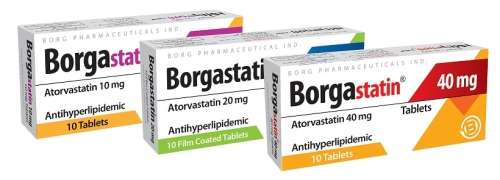
Borgastatin: A Trusted Product by BORG PHARMACEUTICAL INDUSTRIES
Borgastatin is proudly manufactured by BORG PHARMACEUTICAL INDUSTRIES, an Egyptian shareholding company, was established in 2001 for manufacturing pharmaceuticals, cosmetics, and dietary supplements. Founded by Egyptian pharmacists, health professionals, and businessmen, it started production in July 2004. The company’s capital increased over the years, reaching 100 million L.E. in 2017. It obtained various ISO certifications for its management system. Authorized manufacturing activities include solid, liquid, and semi-solid dosage forms.
To obtain further information, please reach out to Borg Pharmaceutical Industries. Borg Pharmaceutical Industries has multiple locations in Egypt:
- Factory Address: District 17, Areas 1, 3, Industrial Zones 3, Borg El Arab New City, Alexandria. Tel: (+203) 4622151/2/3/4, (+2) 012/27872244 Fax: (203) 4622155
- Alexandria Scientific Office: Address: Alex Agricultural Road, Pharma City Smouha, Pancee Building, 2nd Floor, Alexandria. Tel: (+2) 012/27865773, (+2) 012/81367423
- Cairo Branch: Address: Refaat Hassan Street, Area 7/4/1 First Floor, Apartment No. “1”, Beside Diar City Compound, El Haddaba El Wossta, Second District, Mokattam, Cairo. Tel: (+202) 27303131, (+2) 27303132, (+2) 27303133 Fax: (+202) 27303130
- Mansoura Branch: Address: 14, Ali Ibn Abi Taleb Street, Samia EL Gaml Division, branched from Ahmed Maher St. Tel: (+2050) 2225847 Fax: (+2050) 2225847
- Upper Egypt Souhag Branch: Address: 136, Eltahrir Street, Beside Police Station. Tel: (+2093) 2109300

Dr. Ahmad Baker, PharmD
Senior Pharmacist & Health Educator
With over 23 years of clinical experience in hospital and community pharmacy across Egypt and Saudi Arabia, Dr. Ahmad specializes in reproductive health and pharmaceutical safety. He is dedicated to providing evidence-based guidance to empower patients in the MENA region.
Medical Disclaimer: This content is for educational purposes and reflects the latest pharmaceutical protocols. It is not a substitute for personal medical advice. Always consult Dr. Ahmad Baker or your healthcare provider before starting any treatment.