
Retatrutide 10 mg Injection: Mechanism of Action, Phase 3 Clinical Evidence, Dosing Titration, and Research Peptide Safety Risks
Retatrutide (LY3437943) represents the bleeding edge of metabolic pharmacotherapy as a first-in-class unimolecular “triple-hormone receptor agonist” (tri-agonist) targeting the GLP-1, GIP, and glucagon receptors concurrently. Engineered to overcome the weight loss plateaus observed with mono- and dual-incretin mimetics, investigational trials demonstrate unprecedented mean body weight reductions exceeding 24% at 48 weeks alongside profound clearing of hepatic steatosis. This comprehensive clinical monograph evaluates the pharmacology, molecular mechanism, clinical trial dosing schedules, toxicological alerts, and the severe medical hazards surrounding unregulated lyophilized formulations like Pharma Pure Retatrutide 10 mg sold through grey-market research chemical channels.
📑 Table of Contents

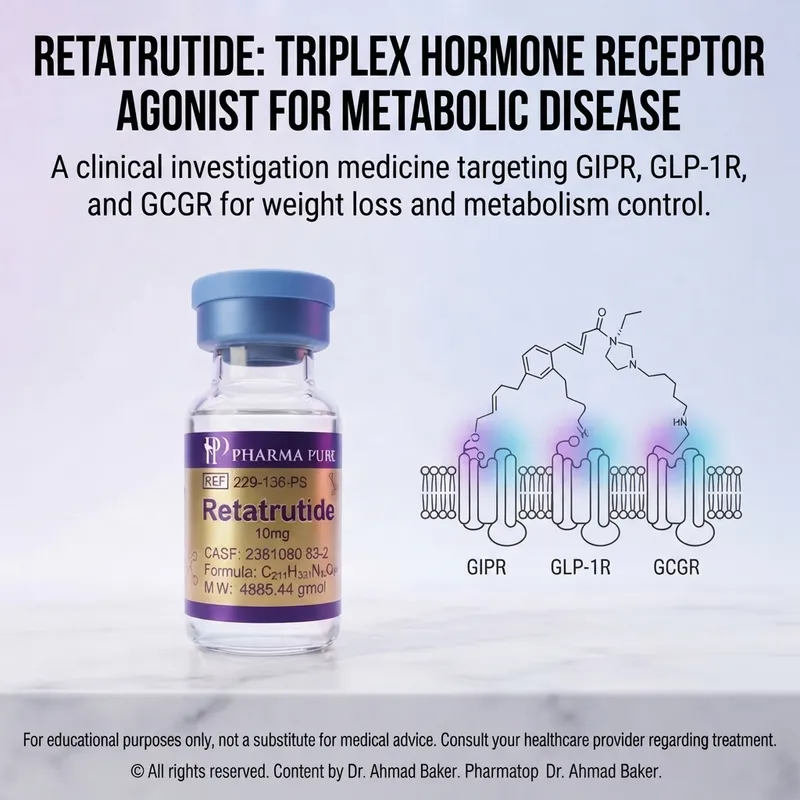
Retatrutide 10 mg – Lyophilized Peptide Vial Presentation (Research Chemical Presentation)
⚡ Clinical Quick Facts: Retatrutide 10 mg
| 📦 Generic & Brand Names | Retatrutide (developmental code LY3437943); non-proprietary brand name: Pharma Pure Retatrutide |
| 🔬 Active Molecule(s) | Retatrutide synthetic peptide (39-amino-acid peptide with C20 fatty diacid moiety) |
| 💊 Dosage Form & Strength | 10 mg lyophilized dry powder in single-dose or multi-dose glass vial (requires reconstitution) |
| 🏭 Manufacturer | Original Molecule: Eli Lilly and Company; Compounded/Research form: Pharma Pure |
| 🌍 Origin / Distribution | United States (Clinical Research); Global direct-to-consumer peptide vendors (Unregulated Grey Market) |
| 📋 Regulatory Classification | Investigational New Drug (IND) – Phase 3 Clinical Trials; NOT FDA/EMA approved for public commercial prescription |
| 📏 Standard Adult Dosage | Escalation from 2 mg weekly up to a maximum maintenance dose of 8 mg to 12 mg subcutaneous once weekly |
| 📌 Prescription Required? | Strictly restricted to authorized clinical trial sites; illicitly marketed online labeled “For Research Use Only (RUO)” |
| 🏷️ Estimated Regional Cost | $70 – $160 USD per 10 mg vial depending on compounding laboratory and synthetic purity testing |
1. What is Retatrutide?
Retatrutide (developmental code LY3437943) is an engineered, single-peptide molecule that functions as a unimolecular, triple-hormone receptor agonist. In the evolutionary taxonomy of anti-obesity and metabolic pharmacotherapies, retatrutide represents what researchers designate as the “third-generation incretin/secretin mimetic.” The initial breakthrough generation was defined by selective, single-receptor glucagon-like peptide-1 receptor agonists (GLP-1 RAs), exemplified by liraglutide (Saxenda) and semaglutide (Wegovy, Ozempic). The second generation ushered in dual-agonist polypharmacology, notably tirzepatide (Mounjaro, Zepbound), which co-activates both GLP-1 and glucose-dependent insulinotropic polypeptide (GIP) receptors. Retatrutide takes this polypharmacological approach a transformative step further by concurrently activating GLP-1, GIP, and the **glucagon receptor (GCGR)**.
The biological rationale behind designing a triple agonist lies in tackling human energy balance from complementary physiological directions. While GLP-1 and GIP primarily target appetite signaling, insulin secretagogue activity, and central satiation circuits within the hypothalamus and brainstem, the inclusion of glucagon receptor agonism stimulates hepatic lipid mobilization and directly elevates resting energy expenditure (thermogenesis). This counterbalances the physiological compensatory decline in basal metabolic rate (BMR) that universally occurs when human subjects enter profound caloric deficits.
The specific physical presentation featured here—**Pharma Pure Retatrutide 10 mg**—consists of a sterile glass vial enclosing a freeze-dried (lyophilized) peptide cake intended for parenteral administration following reconstitution with a bacteriostatic or sterile aqueous solvent. It is imperative from a regulatory, clinical, and patient safety standpoint to distinguish between official pharmaceutical drug candidates undergoing rigorous Good Manufacturing Practice (GMP) trials overseen by regulatory health authorities such as the United States Food and Drug Administration (FDA) or the European Medicines Agency (EMA), and non-approved synthetic research products sold directly to the consumer market. Retatrutide has **not** received final commercial marketing clearance by the FDA, EMA, Saudi Food and Drug Authority (SFDA), or the Egyptian Drug Authority (EDA). Vials bearing labels such as “Pharma Pure” exist within the specialized grey-market sphere of research peptides and unauthorized compounding facilities, carrying unique pharmacological, legal, and microbiological concerns that every healthcare provider and patient must comprehend before considering exposure.
2. Detailed Composition & Mechanism of Action
Retatrutide is a synthetic 39-amino-acid peptide backbone structurally modified from native gastric inhibitory polypeptide (GIP). Its primary sequence includes non-coded amino acid substitutions engineered to optimize receptor potency across all three targets while conferring proteolytic resistance against the ubiquitous circulating cleavage enzyme dipeptidyl peptidase-4 (DPP-4). Attached covalently to the peptide spine at lysine-17 is a branched C20 fatty diacid moiety through a specialized linker. This lipophilic diacid chain drives high-affinity, reversible binding to human serum albumin, decreasing renal clearance and granting the peptide a robust terminal elimination half-life of approximately 6 days (144 hours), making sustained once-weekly subcutaneous delivery pharmacokinetically viable.
| Component / Parameter | Chemical & Molecular Specifications | Pharmacological Role & Mechanism |
|---|---|---|
| Retatrutide Active Moiety | • CAS Number: 2381080-83-2 • Molecular Formula: C211H331N55O68 • Molecular Weight: ~4885.44 g/mol • Sequence: 39-aa linear acylated peptide | Simultaneous agonism of human GIP, GLP-1, and Glucagon receptors. Balances anorexigenic signaling with metabolic rate elevation and profound hepatic de-steatosis. |
| In Vitro Potency Ratios | • GIP Receptor: EC50 ~ 0.076 nM • GLP-1 Receptor: EC50 ~ 0.77 nM • Glucagon Receptor: EC50 ~ 0.58 nM | Demonstrates balanced potency: highly potent at GIPR (8.9-fold higher than native GIP), intermediate potency at GCGR (similar to native glucagon), and balanced at GLP-1R (sub-nanomolar EC50). |
| Lyophilization Excipients (Typical) | • D-Mannitol or Trehalose (Cryoprotectants) • Dibasic sodium phosphate heptahydrate • Monobasic sodium phosphate monohydrate | Provides an amorphous or crystalline structural cake during freeze-drying; stabilizes higher-order tertiary peptide conformation against thermal degradation and aggregation. |
| Reconstitution Diluent (External) | • Bacteriostatic Water for Injection (0.9% Benzyl Alcohol) OR Sterile Water for Injection (USP) | Aqueous vehicle enabling parenteral dissolution. Bacteriostatic agents prevent microbial proliferation during repeat-entry protocols in multi-dose vials. |
The Tri-Agonist Triad: Cellular and Systemic Synergy
The biological brilliance of retatrutide stems from how each receptor pathway neutralizes the pathological side effects or metabolic liabilities of the other, creating an integrated pharmacological engine:
- GLP-1 Receptor Agonism (Gastric Satiety and Hypothalamic Quenching): Activation of GLP-1 receptors in the arcuate nucleus (ARC) of the hypothalamus and the area postrema stimulates pro-opiomelanocortin (POMC) neurons while inhibiting neuropeptide Y (NPY) and agouti-related peptide (AgRP) neurons. This directly quenches subjective sensations of hunger, cravings, and compulsive food-seeking behaviors. Concurrently, peripheral enteric GLP-1 receptor stimulation suppresses postprandial glucagon secretion during hyperglycemia and induces a reversible delay in gastric emptying velocity, extending post-meal gastric distension and fullness signals via vagal afferent pathways.
- GIP Receptor Agonism (Incretin Potentiation and Nausea Buffering): Glucose-dependent insulinotropic polypeptide receptors are heavily expressed in pancreatic beta cells, central nervous system feeding circuits, and subcutaneous white adipose tissue. GIP agonism enhances meal-dependent insulin secretion under elevated glycemic states. Critically, within the brainstem chemoreceptor trigger zone, co-activation of GIP receptors blunts and attenuates the profound nausea, emesis, and gastrointestinal malaise typically driven by potent GLP-1 receptor stimulation. Furthermore, GIP signaling directs postprandial lipid deposition toward healthy, highly vascularized subcutaneous depots while improving insulin sensitivity, preventing ectopic visceral and hepatic lipid spillover.
- Glucagon Receptor Agonism (Mitochondrial Thermogenesis and Hepatic Fat Clearance): Native glucagon has historically been viewed solely as a counter-regulatory hormone driving hepatic glycogenolysis and gluconeogenesis. However, when paired simultaneously with powerful insulinotropic incretins (GLP-1 and GIP) that clamp blood sugar, the catabolic energy-expending attributes of glucagon are safely unleashed without triggering sustained hyperglycemia. Activation of hepatic glucagon receptors upregulates carnitine palmitoyltransferase-1 (CPT-1) and enhances mitochondrial beta-oxidation of fatty acids, aggressively scouring intrahepatic triglycerides. In brown adipose tissue and skeletal muscle, glucagon stimulation activates uncoupling protein 1 (UCP-1), accelerating non-shivering thermogenesis and driving an absolute elevation in daily basal metabolic expenditure.
3. Clinical Indications & Therapeutic Uses
Retatrutide is not an approved commercial drug; its indications are established through published Phase 1 and Phase 2 clinical trials and ongoing Phase 3 registration programs (TRIUMPH clinical trial series). The therapeutic domains under active clinical investigation include:
- Severe Chronic Obesity (Body Mass Index ≥ 30 kg/m², or ≥ 27 kg/m² with Weight-Related Comorbidities): In landmark Phase 2 randomized, double-blind trials published in The New England Journal of Medicine, retatrutide generated unprecedented efficacy. Adults receiving the highest escalation dose (12 mg weekly) achieved a mean body weight reduction of **24.2% at 48 weeks** (an average loss of over 58 lbs / 26 kg), with no evidence of weight loss plateauing at the trial’s termination. Approximately 100% of subjects in the 8 mg and 12 mg cohorts lost at least 5% of their initial body weight, and over 63% attained an extraordinary loss of ≥ 20% of their total body mass, closely matching bariatric surgical outcomes (Roux-en-Y gastric bypass and sleeve gastrectomy).
- Metabolic Dysfunction-Associated Steatohepatitis (MASH / NAFLD): Because glucagon receptor activation drives hepatic fatty acid beta-oxidation, retatrutide exhibits unmatched hepatic de-steatosis properties. Sub-studies utilizing magnetic resonance imaging-proton density fat fraction (MRI-PDFF) established that across the 8 mg and 12 mg dosing groups, retatrutide administration achieved a greater than **80% relative reduction in liver fat**, with complete resolution of hepatic steatosis (liver fat content dropping below the clinical threshold of 5%) occurring in over **85% of evaluated patients** by week 48.
- Type 2 Diabetes Mellitus: In cohorts with uncontrolled type 2 diabetes (baseline HbA1c 7.9% to 8.3%), retatrutide demonstrated potent, dose-dependent glycemic control, dropping mean glycated hemoglobin (HbA1c) by up to 2.02% to 2.16% at 36 weeks. The dual GLP-1/GIP insulinotropic response, coupled with dramatic visceral adipose depletion and liver clearance, reversed severe systemic peripheral insulin resistance.
- Cardiometabolic Risk and Hemodynamic Remodeling: Beyond pure weight reduction, trial participants experienced clinically meaningful reductions in systolic and diastolic blood pressure, extensive drops in circulating triglycerides (up to 40% reduction), reductions in low-density lipoprotein cholesterol (LDL-C), and substantial drops in high-sensitivity C-reactive protein (hs-CRP), signaling systemic vascular anti-inflammatory benefits.
⚠️ Clinical Notice: Retatrutide remains an investigational chemical entity. It has not undergone formal phase 4 post-marketing pharmacovigilance surveillance. Any acquisition of vials branded as “Pharma Pure Retatrutide 10 mg” outside of authorized Good Clinical Practice (GCP) randomized clinical trial sites bypasses national regulatory safety scrutiny.
💬 Need Direct Clinical Consultation Regarding This Medication?
Connect directly with Dr. Ahmad Baker’s clinical team for confidential, evidence-based guidance tailored to your health profile.
Get Medical Support Meet Dr. Baker4. Dosage Regimens & Administration Guidelines
In clinical investigative settings, retatrutide is strictly formulated and administered as a once-weekly subcutaneous injection. Because the drug strongly influences gastrointestinal motility and central autonomic tone, initiating therapy at target maintenance dosages triggers intolerable gastrointestinal toxicity (severe emesis, dehydration) and transient tachycardia. Dose titration is essential to establish pharmacological tolerance.
Clinical Dose Escalation Schedule (Based on Phase 2/3 Trials)
- Weeks 1 through 4 (Initiation Phase): 2 mg subcutaneously once weekly. The primary objective is establishing gastrointestinal and autonomic accommodation; substantive weight loss is not expected during this early phase.
- Weeks 5 through 8 (First Escalation Step): 4 mg subcutaneously once weekly. Early appetite suppression becomes pronounced; gastric emptying delays emerge.
- Weeks 9 through 12 (Intermediate Escalation Step): 8 mg subcutaneously once weekly. This serves as a definitive therapeutic dose for a substantial proportion of patients experiencing rapid metabolic response.
- Week 13 and Onward (Maximum Target Dose): 12 mg subcutaneously once weekly. Reserved for patients requiring maximal body weight reduction or glycemic control who have displayed complete gastrointestinal and cardiac tolerance to the 8 mg regimen.
Preparation and Reconstitution Protocol (Lyophilized 10 mg Vial)
Compounded or research-grade preparations such as Pharma Pure Retatrutide 10 mg require manual reconstitution prior to parenteral delivery. This process demands strict aseptic technique to minimize the risk of microbial contamination and peptide denaturation:
- Sanitization: Disinfect the rubber septum of the 10 mg retatrutide vial and the bacteriostatic water vial using independent 70% isopropyl alcohol wipes. Allow them to air-dry completely for 30 seconds.
- Diluent Aspiration: Using a sterile 3 mL syringe fitted with a 21G to 25G needle, aspirate precisely 2.0 mL of Bacteriostatic Water for Injection (containing 0.9% benzyl alcohol preservative). Reconstituting a 10 mg cake with 2.0 mL yields an intuitive working concentration of **5 mg/mL** (where 0.1 mL [10 international insulin units] equals 0.5 mg of retatrutide, and 0.4 mL [40 insulin units] equals 2.0 mg).
- Controlled Liquid Injection: Angle the needle against the internal glass wall of the retatrutide vial. Slowly depress the syringe plunger, allowing the diluent to stream down the glass rather than impacting the dry peptide cake directly. High-velocity liquid streams can fracture tertiary peptide bonds.
- Gentle Dissolution: Swirl and roll the vial gently between the palms of the hands. **Never shake vigorously**, as physical shear forces induce peptide foaming, aggregation, and irreversible biological inactivation. The reconstituted solution must be completely clear, colorless, and free of visible particulate matter.
| Dose Target | Concentration (with 2.0 mL Diluent) | Volume (mL) | Insulin Syringe Units (U-100) |
|---|---|---|---|
| 2 mg (Starting) | 5 mg / mL | 0.40 mL | 40 Units |
| 4 mg (Step 2) | 5 mg / mL | 0.80 mL | 80 Units |
| 8 mg (Maintenance) | 5 mg / mL | 1.60 mL (Requires 2 injections) | 160 Units total |
Subcutaneous Injection Technique
Injections must be delivered subcutaneously into adipose tissue using a 31-gauge, 5/16-inch (8 mm) or 30-gauge, 1/2-inch (12.7 mm) insulin syringe. Approved anatomical sites include the periumbilical abdominal wall (staying at least 5 cm away from the umbilicus), the anterior aspect of the thighs, or the posterior upper arm. Injection sites must be systematically rotated on a weekly basis to avert lipodystrophy or cutaneous induration.
Missed Dose & Overdose Protocols
- Missed Dose Strategy: If a scheduled weekly dose is missed and fewer than 4 days (96 hours) have elapsed since the scheduled day, administer the dose immediately and resume the standard weekly calendar. If more than 4 days have passed, skip the missed injection entirely and take the subsequent dose on the regularly scheduled weekday. Never inject a double dose to compensate.
- Acute Overdose Management: Accidental overdose with retatrutide precipitates protracted vomiting, profound anorexia, severe electrolyte depletion (hypokalemia, hypomagnesemia), and dangerous hypoglycemia if combined with secretagogues. Because the drug has an extended half-life (~6 days), medical supportive management requires multi-day hospitalization, intravenous fluid rehydration, aggressive antiemetic therapy (ondansetron, metoclopramide), continuous cardiac telemetry, and serial blood glucose monitoring.
5. Adverse Drug Reactions & Contraindications
The multi-receptor agonism of retatrutide triggers complex clinical side effect profiles spanning gastrointestinal, cardiovascular, and endocrine physiological systems.
Adverse Event Stratification by Clinical Frequency
- Very Common (>10% incidence): Nausea (observed in 40% to 60% of subjects at higher doses), vomiting (15% to 25%), diarrhea, constipation, dyspepsia, gastroesophageal reflux disease (GERD), and early satiety leading to acute hypocaloric fatigue.
- Common (1% to 10% incidence): Sinus tachycardia (resting heart rate increases of 4 to 10 beats per minute peaking around week 24, driven by combined glucagon and GLP-1 sinoatrial node stimulation), transient cutaneous dysesthesia or allodynia (skin sensitivity to light touch, a known neuro-sensory phenomenon linked to high-dose GLP-1/glucagon receptor signaling), injection site erythema, orthostatic dizziness, and cholelithiasis (gallstones secondary to rapid lipid mobilization and biliary cholesterol supersaturation).
- Rare but Severe (<1% incidence): Acute pancreatitis, symptomatic cardiac arrhythmias (supraventricular extrasystoles), acute kidney injury secondary to hypovolemic dehydration, and bowel obstruction/ileus.
Absolute and Relative Contraindications
- Absolute Contraindication – Medullary Thyroid Carcinoma (MTC): Personal or family history of medullary thyroid carcinoma or Multiple Endocrine Neoplasia syndrome type 2 (MEN 2). Consistent with GLP-1 receptor agonist class labels, retatrutide activates thyroid C-cell receptors in rodent bioassays, resulting in calcitonin release and neuroendocrine tumor formation.
- Absolute Contraindication – Hypersensitivity: Known anaphylaxis or severe systemic hypersensitivity to retatrutide or any benzyl alcohol/mannitol formulation excipients.
- Relative Contraindications: Pre-existing chronic pancreatitis, severe diabetic gastroparesis, baseline resting heart rate exceeding 90 bpm or history of ventricular dysrhythmias, advanced chronic kidney disease (eGFR < 30 mL/min/1.73 m²), and active gallstone disease.
🚨 Discontinue Immediately & Seek Urgent Medical Care If:
- You experience persistent, severe mid-epigastric or abdominal pain radiating straight through to your back, with or without intractable vomiting (cardinal indicators of acute pancreatitis).
- Resting heart rate remains consistently elevated over 100 beats per minute, or you experience fluttering sensations, sudden dizziness, or syncope (fainting).
- You develop swelling of the face, lips, tongue, or throat, or sudden respiratory distress, signaling systemic anaphylaxis.
- You notice a palpable lump, swelling, hoarseness, or difficulty swallowing in the lower front of your neck (potential thyroid C-cell proliferation).
- You experience signs of acute biliary colic: severe upper right quadrant pain accompanied by yellowing of the skin or eyes (jaundice) and clay-colored stools.
- You encounter sudden visual acuity changes, dark spots, or blurring (diabetic retinopathy exacerbation due to rapid glycemic normalization).
- Severe lightheadedness or inability to retain liquids for over 24 hours occurs, indicating hypovolemia and impending acute renal failure.
6. Drug Interactions & Dietary Precautions
Retatrutide does not undergo primary clearance through hepatic cytochrome P450 (CYP450) monooxygenase enzymes; rather, like all therapeutic polypeptides, it undergoes systemic peptide catabolism via proteolytic degradation into standard endogenous amino acids. Nevertheless, significant physiological and pharmacokinetic drug interactions occur:
- Gastric Emptying-Mediated Absorption Delays: Retatrutide temporarily reduces the rate of gastric emptying, particularly during initiation and dose-escalation phases. This delays the time to peak concentration (Tmax) of orally co-administered medications. While total bioavailable exposure (AUC) remains unchanged for most agents, drugs requiring rapid clinical onset (e.g., immediate-release oral analgesics, sublingual formulations) or drugs with narrow therapeutic indices (e.g., levothyroxine, digoxin, warfarin, lithium) require close clinical monitoring and therapeutic drug monitoring (TDM).
- Oral Contraceptive Pills (OCPs): Due to gastric transit alterations, patients using oral hormonal contraceptives should be advised that the absorption rate of estrogen and progestin can be compromised during the first 4 weeks of dose initiation and after each dose escalation step. Clinicians recommend utilizing a non-hormonal barrier method or switching to transdermal, intrauterine, or implantable contraception.
- Insulin and Insulin Secretagogues (Sulfonylureas, Meglitinides): Co-administering retatrutide with exogenous basal/bolus insulin or secretagogues such as glimepiride or gliclazide dramatically amplifies the danger of severe, life-threatening hypoglycemia. When initiating retatrutide in patients with type 2 diabetes, the treating physician must preemptively lower background sulfonylurea doses by 50% or discontinue them entirely, alongside systematic 20% to 30% baseline insulin dose reductions accompanied by intensive self-monitoring of blood glucose (SMBG).
- Ethanol (Alcohol) Consumption: Ethyl alcohol suppresses hepatic gluconeogenesis while directly irritating the gastric mucosa. Combining alcohol with retatrutide substantially elevates the risk of severe acute hypoglycemia, intensifies debilitating gastrointestinal distress, accelerates systemic dehydration, and spikes the probability of pancreatitis.
- Herbal Supplements and Stimulants: Concomitant intake of over-the-counter thermogenic fat burners, yohimbine, ephedra, or high-dose caffeine should be strictly prohibited. Because glucagon receptor activation already accelerates resting cardiac chronotropy, combining it with sympathomimetic central stimulants can trigger dangerous adrenergic stress, arrhythmias, or hypertensive crises.
7. Special Populations & Clinical Considerations
Managing retatrutide therapy across distinct demographic groups demands heightened clinical prudence, especially given its developmental, investigational status:
- Pregnancy & Reproductive Toxicological Risk: Retatrutide is strictly contraindicated during pregnancy. Severe maternal weight loss during pregnancy is biologically hazardous to embryonic development. Furthermore, GLP-1/GIP/glucagon signaling disruptions during organogenesis in animal models correlate with skeletal malformations and embryo-fetal demise. Women of childbearing potential must maintain verified contraception throughout therapy. Because of retatrutide’s long terminal elimination half-life (~6 days), the drug must be completely discontinued for a **minimum of 2 months (60 days)** prior to planned conception to facilitate complete systemic washout (5 to 6 biological half-lives).
- Lactation: It is unconfirmed whether retatrutide or its peptide fragments distribute into human breast milk. Due to potential structural susceptibility to infant gastrointestinal digestion versus unknown neonatal exposure hazards, breast-feeding is not recommended during therapy.
- Pediatric Safety: Retatrutide has zero established safety or efficacy profiles in pediatric patients under 18 years of age. Its profound appetite suppression and altered energy expenditure pathways carry severe risks of stunting linear skeletal growth and causing neuroendocrine developmental disruptions.
- Geriatric Patients (≥65 Years): Older adults with sarcopenic obesity face elevated risks of disproportionate lean muscle mass wasting during rapid therapeutic weight loss. Geriatric individuals must be closely managed with targeted protein supplementation (1.2 to 1.6 g/kg/day) and structured resistance training. Furthermore, elderly patients exhibit higher sensitivity to hypovolemia-induced acute kidney injury resulting from persistent emesis or diarrhea.
- Competitive Athletes (WADA Prohibitions): Athletes must note that peptides that stimulate glucagon receptor activity and modulate metabolic energy expenditure or growth pathways fall under Section S2 or S4 of the World Anti-Doping Agency (WADA) Prohibited List. Off-label or research peptide use carries immediate regulatory athletic bans.
8. Generic Equivalents & Therapeutic Alternatives
Because retatrutide is under proprietary international patent protection and remains an unapproved investigational entity, there are **no legitimate, FDA-approved generic versions** anywhere in the world. Consumers and clinicians seeking weight management and glycemic control must rely on officially authorized therapeutic alternatives with rigorous clinical evidence profiles:
| Drug / Molecule | Target Receptor(s) | Mean Body Weight Loss (%) | Global Regulatory Status | Dosing Frequency |
|---|---|---|---|---|
| Retatrutide (LY3437943) | Triple Agonist (GLP-1 + GIP + Glucagon) | ~24.2% at 48 weeks (Phase 2, 12 mg) | Investigational Only (Phase 3 Trials) | Once weekly (SC) |
| Tirzepatide (Mounjaro / Zepbound) | Dual Agonist (GLP-1 + GIP) | ~20.9% to 22.5% at 72 weeks (SURMOUNT-1) | FDA, EMA, SFDA, EDA Approved | Once weekly (SC) |
| Semaglutide (Ozempic / Wegovy) | Mono Agonist (GLP-1 only) | ~14.9% to 15.8% at 68 weeks (STEP-1) | FDA, EMA, SFDA, EDA Approved | Once weekly (SC) |
| Liraglutide (Saxenda) | Mono Agonist (GLP-1 only) | ~8.0% at 56 weeks (SCALE) | FDA, EMA, SFDA, EDA Approved | Once daily (SC) |
💬 Confused About Which Metabolic Therapy Fits Your Profile?
Do not gamble with unregulated peptides. Review your medical history directly with our clinical pharmacotherapy specialists.
Speak with Dr. Baker’s Team Explore Drug Profiles9. Regional Availability & Authentication Guide
In commercial community pharmacies and hospital formularies across North America, Europe, and the Middle East (including Saudi Arabia, the UAE, Egypt, Kuwait, and Qatar), **retatrutide cannot be legally stocked or dispensed**. Legitimate distribution is legally restricted to accredited university hospitals and clinical trial sites running Eli Lilly’s Phase 3 global registration protocols.
The Grey-Market Landscape and Clinical Safety Hazards
Vials labeled as “Pharma Pure Retatrutide 10 mg” circulate through direct-to-consumer websites, underground peptide suppliers, and social media networks. These suppliers exploit a legal loophole by labeling their packaging: *”For Laboratory Research Use Only – Not For Human Consumption.”* Clinical pharmacists must forcefully alert patients to the critical dangers inherent in these unregulated formulations:
- Bacterial Endotoxin Contamination: Peptides synthesized via recombinant processes or manual solid-phase peptide synthesis (SPPS) without pharmaceutical-grade cGMP validation frequently contain dangerous levels of lipopolysaccharide (LPS) bacterial endotoxins. Parenteral injection of contaminated solutions triggers pyrogenic reactions, systemic inflammation, septic shock, and multi-organ dysfunction.
- Truncated Sequences and Chemical Impurities: Non-cGMP laboratories rarely achieve standard ≥ 98% peptide purity. Analytical testing of grey-market research peptides frequently identifies truncated peptide fragments, deletion sequences, residual trifluoroacetic acid (TFA), organic solvents, and heavy metals that trigger autoimmune reactions or direct nephrotoxicity.
- Severe Dosing Discrepancies: Independent forensic testing of internet-sourced peptide vials repeatedly reveals dramatic variability, with some vials containing less than 30% of the stated label potency while others contain severe overdoses (e.g., 18 mg in a vial labeled 10 mg), predisposing unsuspecting users to acute overdose toxicity.
- Cold-Chain Breakdown: Synthetic peptides are thermolabile. International postal transit without continuous validated refrigerated cold chains (2°C to 8°C) leads to structural degradation, oxidation, and formation of immunogenic aggregate fibrils.
Proper Storage Parameters (For Legitimate Scientific Stock)
- Lyophilized Powder (Unreconstituted): Store refrigerated between 2°C to 8°C (36°F to 46°F) in the original container protected from light. Under these conditions, stability is maintained for 12 to 24 months. For long-term chemical preservation, storage at -20°C is standard.
- Reconstituted Solution: Once bacteriostatic water is introduced, store strictly refrigerated at 2°C to 8°C. **Never freeze reconstituted retatrutide**, as ice crystal shear stresses shatter secondary peptide bonds. Reconstituted multi-dose vials must be discarded within 28 days of initial puncture.
10. Clinical Pharmacist Verdict & Bottom Line
⚖️ The Pharmacist’s Objective Assessment: Retatrutide
Therapeutic Advantages (The Pros):
- Unmatched Weight Loss Efficacy: Delivers up to 24.2% total body weight reduction at 48 weeks, outperforming all approved anti-obesity pharmacotherapies and narrowing the gap with metabolic bariatric surgery.
- Remarkable Hepatic De-steatosis: Achieves >80% relative reduction in intrahepatic triglycerides, offering unprecedented therapeutic promise for Metabolic Dysfunction-Associated Steatohepatitis (MASH).
- Metabolic Rate Preservation: Glucagon receptor stimulation activates mitochondrial thermogenesis, counterbalancing the natural drop in basal metabolic rate caused by severe caloric restriction.
- Robust Glycemic Normalization: Potent HbA1c reductions achieved through dual GLP-1/GIP insulinotropic amplification coupled with profound visceral fat loss.
Clinical Limitations & Safety Concerns (The Cons):
- Investigational Status: Not approved by the FDA, EMA, or national health ministries; long-term human safety, cardiovascular outcomes, and oncological risks remain under active evaluation.
- Elevated Resting Heart Rate: Drives a dose-dependent increase in resting pulse rate (4 to 10 bpm), raising concerns for individuals with underlying dysrhythmias or ischemic heart disease.
- Severe Grey-Market Contamination Risks: Direct acquisition via research peptide vendors (e.g., Pharma Pure vials) exposes patients to high risks of endotoxin pyrogenicity, mislabeling, and heavy metal impurities.
- Complex Reconstitution Requirements: Handling lyophilized powders with bacteriostatic water requires clinical precision; incorrect handling leads to microbial contamination or peptide degradation.
The Clinical Bottom Line: Retatrutide represents an extraordinary milestone in metabolic medicine that will likely redefine the standard of care for severe obesity and fatty liver disease upon completing Phase 3 registration trials. However, **as clinical pharmacists, we strongly advise patients against using unapproved, grey-market research peptide formulations**. Patients struggling with severe obesity or type 2 diabetes should rely on thoroughly vetted, FDA/EMA-approved therapies such as tirzepatide (Mounjaro/Zepbound) or semaglutide (Ozempic/Wegovy) under the direct supervision of an endocrinologist or metabolic medicine physician.
❓ Frequently Asked Clinical Questions
❓ How does retatrutide differ fundamentally from Ozempic and Mounjaro?
The fundamental difference lies in receptor target multiplicity. Ozempic (semaglutide) is a single-hormone agonist targeting only the GLP-1 receptor. Mounjaro (tirzepatide) is a dual-hormone agonist targeting both GLP-1 and GIP receptors. Retatrutide is a “tri-agonist” that targets GLP-1, GIP, and the glucagon receptor simultaneously. The addition of glucagon receptor stimulation directly boosts resting metabolic rate and energy expenditure while clearing hepatic fat, resulting in significantly higher total weight reduction in clinical trials (~24.2% vs ~15% for semaglutide and ~21% for tirzepatide).
❓ Why does retatrutide cause an increased resting heart rate?
Both GLP-1 and glucagon receptors are naturally expressed within the sinoatrial (SA) nodal tissue of the human heart and sympathetic nervous terminals. Glucagon intrinsically possesses positive chronotropic (heart-rate increasing) and inotropic actions. In clinical trials, retatrutide administration caused a transient, dose-dependent rise in mean resting pulse of 4 to 10 beats per minute, which peaked around 24 weeks before stabilizing.
❓ Is Pharma Pure Retatrutide 10 mg approved by the FDA or international agencies?
No. Retatrutide is not approved by the United States FDA, the European Medicines Agency (EMA), the Saudi SFDA, or the Egyptian Drug Authority for commercial prescription or public use. Vials produced under brand names like “Pharma Pure” are manufactured outside of regulated pharmaceutical channels and are marketed strictly for laboratory and in vitro animal research.
❓ Does retatrutide cause lean muscle mass loss alongside fat loss?
Any pharmacological or surgical intervention that induces rapid, extensive weight loss causes both adipose tissue reduction and some lean tissue (muscle) catabolism. In Phase 2 clinical sub-studies utilizing DEXA body composition scanning, approximately 70% to 75% of the weight lost with retatrutide was fat mass, while 25% was lean mass, a ratio consistent with bariatric surgery and lifestyle-induced caloric deficits. To preserve skeletal muscle mass during therapy, clinical guidelines recommend a high-protein intake (1.2 to 1.6 g/kg daily) paired with consistent resistance training.
❓ Can retatrutide be combined with other weight loss drugs like Wegovy or Phentermine?
No. Concomitant administration of retatrutide with any other incretin mimetic (semaglutide, tirzepatide, liraglutide) or central anorexigenic stimulant (phentermine, diethylpropion) is unsafe and medically contraindicated. Combining these therapies causes dangerous additive gastrointestinal toxicity, severe hypokalemia, heart palpitations, and potentially life-threatening hypoglycemia.
❓ What specific diluent must be used to dissolve a 10 mg lyophilized vial?
Reconstitution of multi-dose peptide vials requires USP Bacteriostatic Water for Injection containing 0.9% benzyl alcohol as an antimicrobial preservative. Standard sterile water for injection lacks preservatives and must never be used for multi-dose protocols, as it permits rapid bacterial proliferation after the first needle puncture.
❓ What happens if a patient abruptly stops taking retatrutide?
Upon drug discontinuation, circulating plasma concentrations clear over 3 to 4 weeks. As receptor signaling diminishes, central appetite suppression and gastric emptying delays fade, leading to a rebound return of baseline hunger (and frequently hyperphagia). Long-term clinical withdrawal trials across all incretin classes establish that patients universally regain the majority of lost weight unless permanent, rigorous dietary and behavioral modifications are established. Obesity is a chronic, relapsing biological condition requiring ongoing clinical management.
❓ Can retatrutide cure fatty liver disease (MASH / NAFLD)?
Retatrutide demonstrates the most profound liver fat clearance documented in modern metabolic trials. Phase 2 MRI-PDFF imaging sub-studies revealed that up to 86% of patients receiving higher doses achieved complete resolution of hepatic steatosis (liver fat falling under 5%). While it dramatically reverses intrahepatic steatosis and reduces hepatic inflammation markers, long-term histological data evaluating its ability to reverse advanced liver fibrosis (cirrhosis) are still pending from ongoing Phase 3 trials.
❓ Is retatrutide safe for patients with type 1 diabetes?
No. Retatrutide is not indicated or safe for individuals with type 1 diabetes mellitus. Incretin and glucagon receptor agonists do not replace absolute pancreatic beta-cell insulin deficiency and carry elevated risks of euglycemic diabetic ketoacidosis (euDKA) and unpredictable glycemic instability in type 1 diabetic populations.
❓ How soon can a patient safely attempt pregnancy after using retatrutide?
Due to retatrutide’s long terminal half-life of approximately 6 days, complete biological washout requires at least 5 to 6 half-lives (30 to 36 days). Clinical guidelines recommend discontinuing the drug at least **two full months (60 days)** before attempting conception to eliminate systemic fetal exposure and prevent teratogenic risks.
⚠️ Medical Disclaimer
The clinical information on Pharma Guide is intended strictly for educational and informational purposes. It does not constitute personal medical diagnosis or individualized prescription advice. Never initiate, adjust, or terminate pharmacotherapy without direct clinical supervision from your physician or consulting Dr. Ahmad Baker. For full legal and clinical policies, consult our Medical Disclaimer and Editorial Policy.
📚 Explore Related Guides on Pharma Guide
© 2026 Pharma Guide – Clinical Drug Index & Reproductive Health.
Led by Dr. Ahmad Baker | Privacy Policy | Medical Disclaimer | Contact Us

Dr. Ahmad Baker, PharmD
Senior Pharmacist & Health Educator
With over 23 years of clinical experience in hospital and community pharmacy across Egypt and Saudi Arabia, Dr. Ahmad specializes in reproductive health and pharmaceutical safety. He is dedicated to providing evidence-based guidance to empower patients in the MENA region.
Medical Disclaimer: This content is for educational purposes and reflects the latest pharmaceutical protocols. It is not a substitute for personal medical advice. Always consult Dr. Ahmad Baker or your healthcare provider before starting any treatment.